Ever picture a place where a university’s energy meets small‑city comfort and a legendary car brand shapes the local vibe? That’s Bowling Green. If you’re weighing a move, you want a clear picture of daily life, not just headlines. In this guide, you’ll learn how people get around, what neighborhoods feel like, where locals spend downtime, and how the university and employers shape the rhythm of the city. Let’s dive in.
Bowling Green at a glance
Bowling Green is a mid‑sized college city in south‑central Kentucky and the primary hub for surrounding counties. Western Kentucky University and the General Motors Corvette Assembly Plant, along with the National Corvette Museum, anchor the culture and economy. The city blends historic downtown blocks, university‑driven arts and sports, suburban neighborhoods, and a relaxed cost profile compared to major metros.
You’re also within easy reach of Nashville, which adds regional entertainment and travel options while keeping day‑to‑day life more manageable. Expect a mix of student life, family‑friendly amenities, and a calendar that ebbs and flows with university semesters and automotive events.
Getting around and daily commute
Bowling Green is largely car‑oriented. Major interstates and U.S. routes make driving the default for commuting, errands, and regional travel. Some residents commute to nearby job centers and even to Nashville, while many work locally in education, manufacturing, healthcare, retail, hospitality, and government.
Local public transit exists but on a smaller scale than big cities. Coverage typically connects downtown, Western Kentucky University, and major shopping and employment corridors. Many neighborhoods depend on private vehicles, so you’ll want convenient parking at home.
For long‑distance flights, residents commonly use the major airport in Nashville. Bowling Green also has a regional airport for general aviation and corporate travel. If you travel often, plan around drive times to flights and consider proximity to highway access when choosing a neighborhood.
Neighborhoods and housing feel
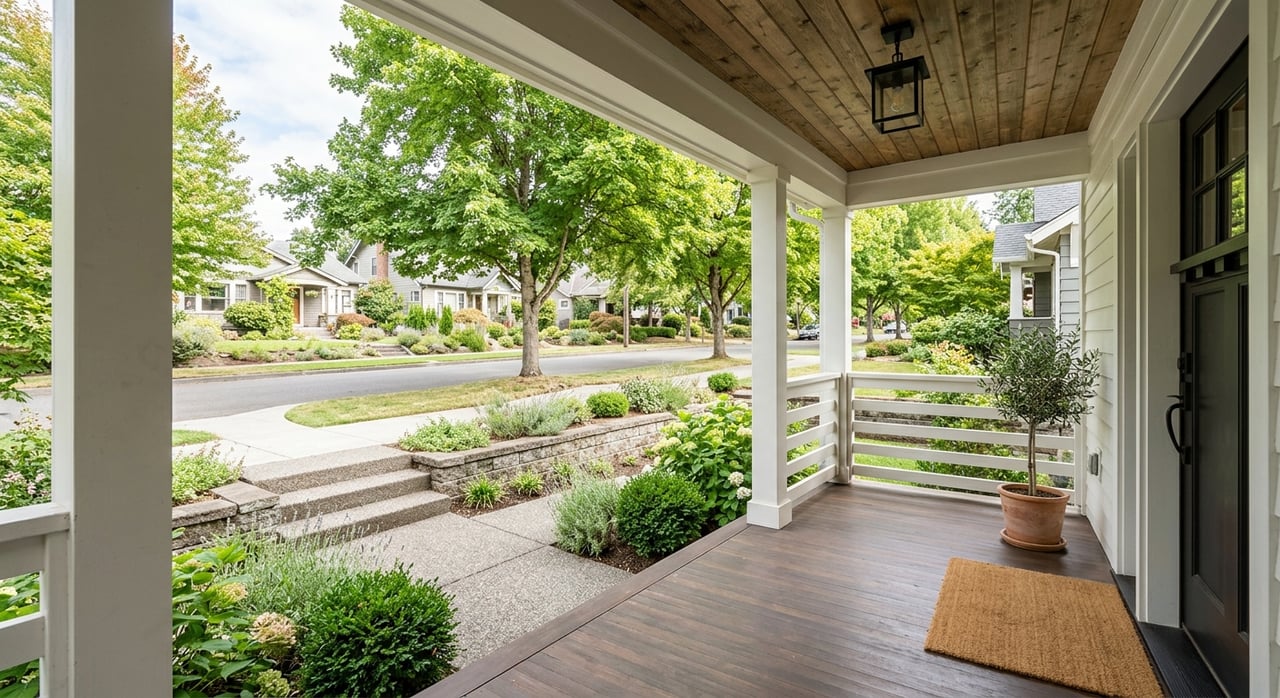
Bowling Green’s housing stock is varied, with options that suit many lifestyles.
- Downtown and Fountain Square: You’ll find historic homes and apartments in walkable blocks, plus dining and arts nearby. Living here positions you close to events and university activities.
- Near WKU: Neighborhoods close to campus often have more student rentals and seasonal turnover. If you want a lively, academic atmosphere, this may fit. If you prefer quieter streets, look a bit farther out.
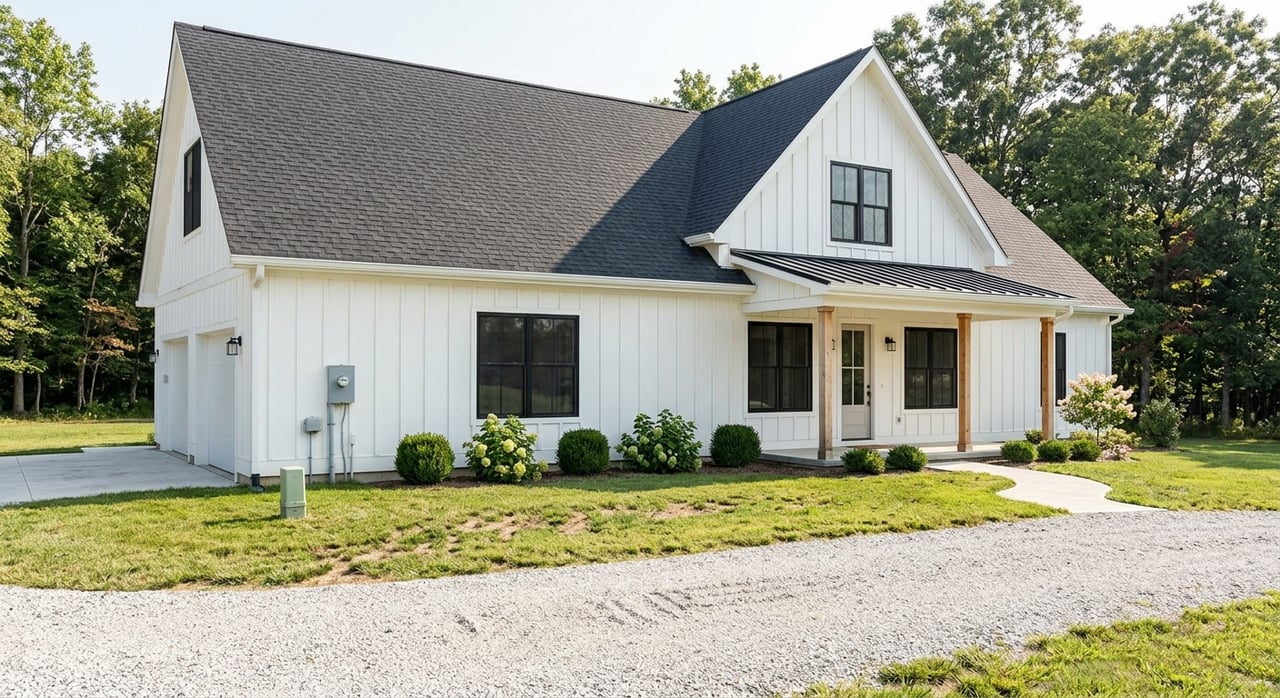
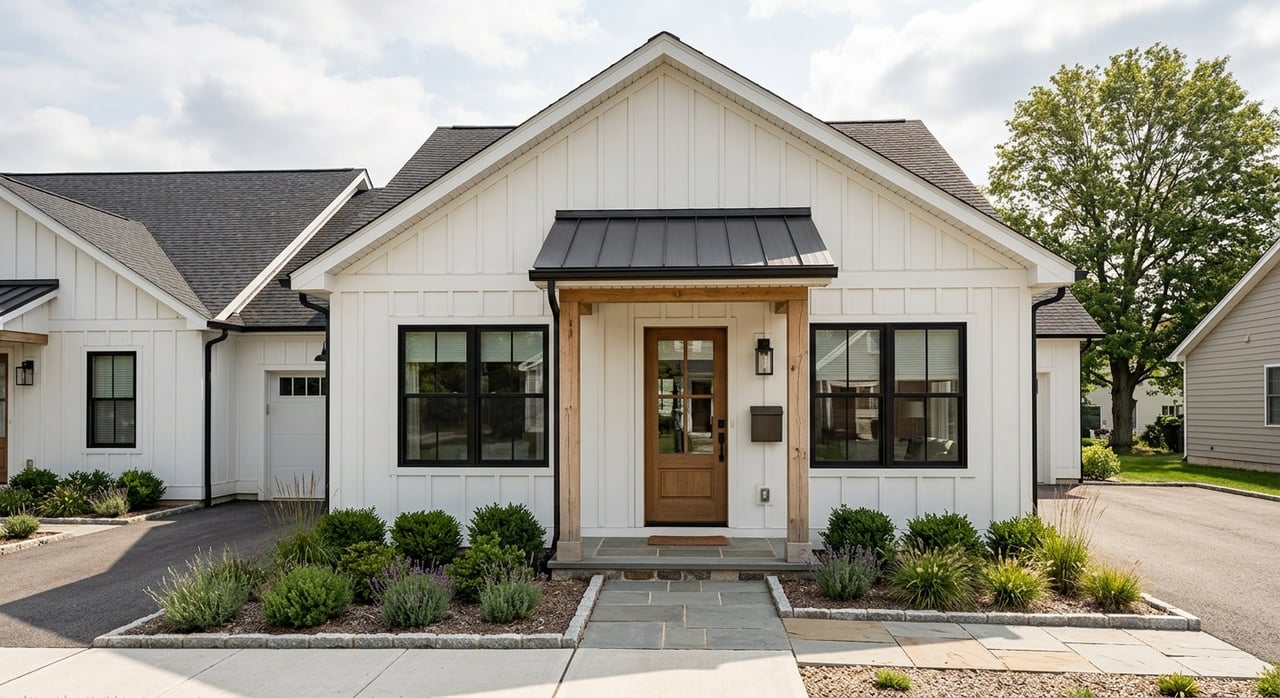
- Suburban subdivisions: Around major roads and near interstates, you’ll see subdivisions with single‑family homes, cul‑de‑sacs, and neighborhood amenities. Newer master‑planned communities and apartment complexes serve both families and professionals.
- Rental market: Western Kentucky University influences rental demand and timing. If you’re leasing, expect the market to feel more active around semester changes.
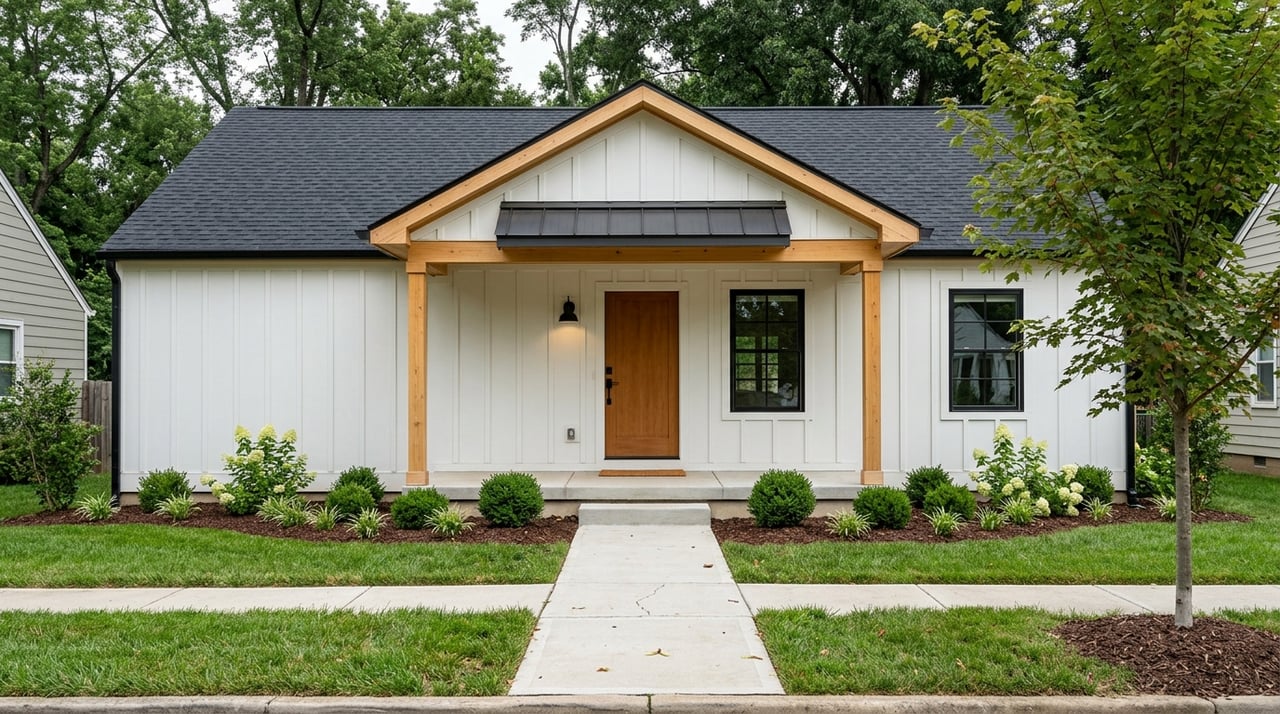
Overall, housing is often more affordable than large metropolitan areas, and inventory ranges from charming historic properties to new construction. If you’re buying or selling, a pricing strategy grounded in local data will be key, especially given seasonal shifts tied to the academic calendar.
Schools and learning
Public K–12 education is delivered by Warren County Schools and the Bowling Green Independent School District. There are also private and charter options. School quality and programs vary by district and school, so it’s a good idea to review official district materials and school report cards when you narrow your search.
Western Kentucky University is a major presence. It fuels arts, athletics, lectures, and community programming, which add to the city’s cultural life. WKU also shapes housing and retail demand near campus.
Jobs and the local economy
Education, manufacturing, healthcare, retail, hospitality, and government anchor the job base. The Corvette Assembly Plant and National Corvette Museum draw visitors and support related businesses. Downtown around Fountain Square, restaurants, bars, boutiques, and services benefit from local, visitor, and student traffic.
If you’re relocating for work, you’ll find a regional economy that mixes professional roles with skilled trades, healthcare providers, and university positions. Many residents appreciate the balance of opportunity and manageable living costs.
Parks, outdoors, and weekend fun
Bowling Green offers a network of parks, greenways, recreation centers, and river‑adjacent spaces for everyday outings. You can choose from playgrounds, fields, picnic areas, and walking paths for routine exercise or family time.
For bigger adventures, Mammoth Cave National Park is within driving distance and is a major draw for hiking, cave tours, and nature exploration. Regional state parks and seasonal attractions round out the options for day trips and weekend getaways. If easy access to the outdoors matters to you, Bowling Green is a strong base.
Dining, nightlife, and culture
You’ll find a mix of college‑town favorites, independent restaurants, family dining, and specialty food and beverage spots. Many cluster downtown and near campus, making it simple to pair dinner with a show or a game.
Arts and culture benefit from WKU’s performances, galleries, and lectures, plus community arts organizations. The city’s automotive heritage is visible in museums and events that attract visitors throughout the year.
Nightlife is active in pockets, especially around the university and downtown squares, with bars and live music that reflect the college‑town vibe. Hours and lineups shift seasonally, so check schedules when planning a night out.
Community events and traditions
Community life follows a familiar rhythm: seasonal festivals, farmers markets, holiday parades, university homecoming and sports, and Corvette‑related gatherings. These events are easy ways to meet people, sample local food, and get a feel for the city’s personality.
If you’re new, consider volunteering, joining recreation leagues, or attending recurring downtown events. You’ll quickly develop a network and discover go‑to spots.
Safety, healthcare, and services
Police and fire services are provided by the city and county. As in most mid‑sized cities, safety can vary by neighborhood and building type. It’s smart to review official crime reports, visit at different times of day, and talk through location specifics before you decide.
Bowling Green functions as a regional healthcare center, with a major hospital and a range of clinics and specialty providers. For certain complex needs, residents often travel to larger metro medical centers. If access to a specific specialist is a priority, plan your search with that in mind.
Weather and practical tips
The climate is humid subtropical, with warm, humid summers and mild to cool winters. Seasonal storms are part of life here, and snow does occur but is typically moderate compared to more northern regions. Plan for reliable HVAC, routine seasonal maintenance, and a simple storm‑readiness kit.
Utilities and services are typical for a city this size. Broadband access continues to expand, and availability can vary by neighborhood. If you work from home, confirm providers and speeds during your home search.
Is Bowling Green right for you?
You’re likely to thrive here if you want suburban convenience with a small‑city feel, value university‑driven culture, or work in education, manufacturing, healthcare, or regional services. Outdoor enthusiasts who like quick access to caves, parks, and trails also feel at home.
If you need dense, transit‑rich urban living or very high‑end metropolitan amenities, you may find the city more limited than a major metro. Many people choose Bowling Green for the balance it strikes between convenience, cost, and community.
How our team helps
Buying or selling in Bowling Green is simpler when you have a local partner using data and experience to guide each step. Our team combines appraisal‑led pricing expertise with high‑volume market reach and premium digital presentation. We handle full‑service residential brokerage across price tiers, land and acreage, lake and second‑home markets, multi‑family and small commercial, seller‑side marketing, buyer representation, and investor and relocation transactions.
Whether you’re exploring neighborhoods, timing a sale around the academic calendar, or weighing a purchase near downtown versus the suburbs, we’ll help you assess trade‑offs and act with confidence.
Ready to explore your options or sell with clarity? Reach out to Jeremy Dawson to start a plan that fits your goals. Get your instant home valuation.
FAQs
What is the commute like in Bowling Green?
- Bowling Green is primarily car‑oriented, with major highways for local and regional travel; some residents commute to nearby job centers, including Nashville.
How does Western Kentucky University influence daily life?
- WKU shapes housing demand near campus, adds arts, lectures, and sports to the calendar, and creates a lively rhythm tied to university semesters.
What types of neighborhoods can I find?
- Options range from walkable historic areas near Fountain Square and campus to suburban subdivisions and newer master‑planned communities around major roads.
What are the main job sectors in Bowling Green?
- Education, manufacturing, healthcare, retail, hospitality, and government drive employment, with automotive heritage and tourism adding visitor‑focused roles.
What outdoor activities are nearby?
- City parks and greenways offer daily recreation, and Mammoth Cave National Park plus regional state parks provide hiking, cave tours, and weekend adventures.