Pricing your home is the single most important decision you make as a seller. Get it right, and you attract strong buyers quickly. Miss the mark, and you risk weeks of slow showings, price cuts, and money left on the table. If you are planning a sale in Bowling Green or greater Warren County, you deserve a clear, local, data-backed plan.
In this guide, you will learn how to read the current market, how agents and appraisers determine value, and the local factors that move price in our area. You will also get a simple, step-by-step pricing strategy that protects your net proceeds. Let’s dive in.
Bowling Green market snapshot
According to the GCAR local MLS snapshot for Warren County (December 2025), the median sales price was $325,000, median days on market was 32, months’ supply was 2.7, and sellers received about 94% of their original list price. You can view the county snapshot directly in the GCAR report for December 2025 for full context and definitions. See the GCAR report.
Public portals like Zillow, Redfin, and Realtor.com often show different numbers because of timing, city versus county boundaries, and whether they track list or sale prices. For your pricing decision, treat the local MLS view as your baseline, then use third-party sites for general trend color.
How value is set
Agent CMA pricing
A Comparative Market Analysis, or CMA, is how your agent estimates a credible price range for your home. A strong CMA focuses first on very recent closed sales that mirror your home’s location, size, features, and condition. To show today’s competition, it also reviews active and pending listings.
Good CMAs make adjustments for key differences like square footage, beds and baths, lot size, updates, and effective age. Your agent will then recommend a single list price that sits inside the supported range and aligns with buyer search behavior.
Appraisal process
Appraisers follow formal guidance used by lenders and the secondary market. The process emphasizes verified closed sales, supported adjustments, and objective market trend analysis. For a deeper look at how appraisers select and adjust comparable sales, review the Fannie Mae Selling Guide on comparable sales and adjustments and the Appraisal Institute’s practice resources:
- Fannie Mae: Comparable Sales and Adjustments
- Appraisal Institute: Guide Notes and Standards Resources
If there are few recent comps nearby, an appraiser may reach a bit farther or use older sales, but they must justify why those sales are credible. Because lenders rely on appraisals to size loans, this process can affect your contract price later.
Why this matters to you
- A CMA helps you set the right list price for the first day on market.
- The appraisal can cap what a lender will finance, so pricing well above recent closed comps increases the chance of an appraisal gap.
- Aligning your list price with both CMA findings and likely appraisal outcomes reduces renegotiation risk and protects your net proceeds.
Local factors to price in
Bowling Green and Warren County are not “one market.” Micro-location and property details can shift value by meaningful amounts.
- Proximity to WKU. Homes close to Western Kentucky University can draw interest from student rental investors and faculty or staff buyers. This may influence showing traffic and the pool of potential buyers.
- Employers and Transpark growth. Large projects and expansions, including the Transpark corridor and the Envision AESC battery project, continue to support local demand. See regional economic coverage for examples and timing in the Lane Report’s summary of Bowling Green’s development achievements.
- Downtown, established subdivisions, and new builds. Historical districts and downtown locations attract different buyers than newer subdivisions along I-65 and near the Transpark. Price sensitivity, finish expectations, and days on market often vary by submarket.
- Floodplain and drainage. Parts of Warren County include mapped floodplains and low-lying areas near Barren River and Drakes Creek. Flood insurance needs and disclosures may affect price and buyer responsiveness. Confirm status using local resources from the Warren County Planning Commission.
- School assignments. School zones can shape buyer demand in certain price bands. Keep references neutral and factual and focus on what the market data show.
- Commute corridors. Access to I-65 or major routes can help or limit certain buyer pools. Highlight realistic commute times and recent nearby sales in your CMA.
- Age, updates, and condition. Effective age and verified improvements matter. Document updates with dates and receipts to support value.
Pricing strategy that protects your net
The goal is to attract the right buyers quickly without leaving money on the table. Local MLS data show that realistic initial pricing is tied to shorter days on market and a higher percentage of list price received. Here is a practical framework that blends agent and appraisal thinking.
- Run a professional CMA, consider a pre-listing appraisal.
- If you plan to list well above recent closed sales or your home is unique, a pre-listing appraisal can be a smart insurance policy. Typical appraisal fees often range a few hundred dollars depending on property complexity. See typical cost ranges.
- Fix the obvious, document the rest.
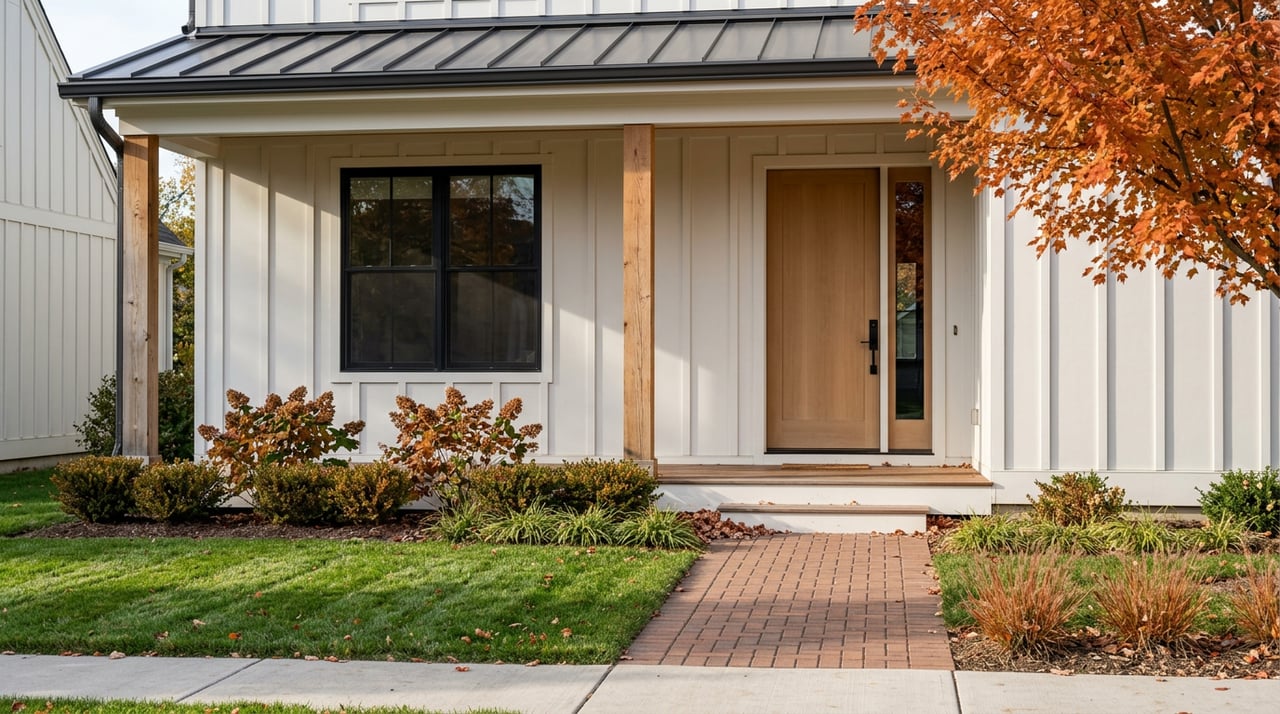
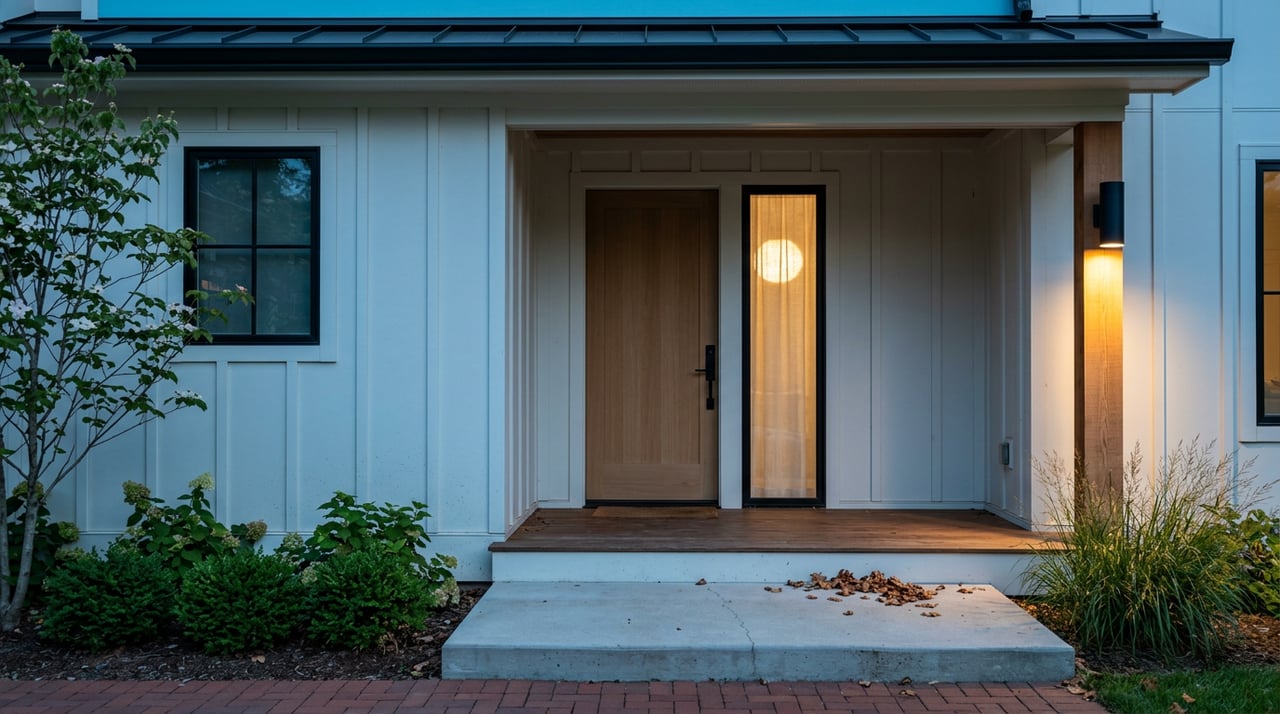
- Prioritize safety items, roof or leak repairs, and major mechanicals. Keep receipts and before/after photos. For low-cost impact, focus on paint, decluttering, curb appeal, and minor kitchen or primary bath refreshes. The annual Cost vs. Value research consistently shows strong returns for curb-facing items like garage or entry doors and for light-touch kitchen updates. Review the 2025 Cost vs. Value summary.
- Stage and photograph like a pro.
- NAR’s staging research indicates staging often shortens days on market and may increase offers. Even virtual staging can materially improve online traffic. Explore NAR’s Profile of Home Staging.
- Price within the supported range, not the aspirational top.
- A disciplined list price at or near the top of the adjusted-comp range creates urgency during the crucial first 1 to 2 weeks. Testing the market too high often leads to multiple reductions, lower final sale-to-list, and higher carrying costs. Industry analyses connect repeated price cuts to weaker outcomes. See a data-backed discussion of the days-on-market penalty.
- Review early, adjust decisively.
- Set a 7 to 14 day review cadence. If showings and offers lag your forecast, make one meaningful adjustment toward the supported range rather than several small cuts.
Use buyer price bands
Buyers search in price brackets. Listing just below a round number can improve visibility in online filters. For example, $299,900 appears in both the $250,000 to $300,000 search and is often seen by buyers who filter “up to $300,000.” Apply this tactic only when it still fits your supported CMA range.
Plan for appraisal and offers
Even in multiple-offer situations, lenders rely on appraisals. If you accept an offer above list, be prepared for an appraisal contingency. To reduce risk:
- Prepare a concise appraiser packet with your CMA summary, a list of verifiable improvements with dates and costs, and access details for all relevant spaces. Appraisers put weight on documented data and recent closed sales. Guidance such as the Fannie Mae Selling Guide on comparable sales explains why support and verification matter.
- If comps are thin, your agent can outline neighborhood trends and justify credible time adjustments using market data. Keep the tone factual and deferential to the appraiser’s process.
Estimate your net proceeds
Your net proceeds are what you keep after paying all selling costs. A simple way to think about it:
- Net proceeds ≈ sale price − broker fees/commissions − seller closing costs and transfer taxes − seller-paid concessions or repairs − payoff of any mortgages or liens − pre-sale prep costs (staging, inspection, repairs).
Broker fees are negotiable and can vary by property, market conditions, and service level. Review these items with your agent so you can compare pricing strategies by estimated net, not just by list price.
A fast local checklist
Use this quick review before you pick your list price:
- Confirm the latest GCAR MLS snapshot for Warren County. Open the GCAR report.
- Ask for a CMA with 90-day closed sales first, then add pending and active competition.
- Identify micro-location factors: WKU proximity, downtown vs subdivision, I-65 access, Transpark influence, and any mapped floodplain status. Check floodplain resources.
- Document updates with dates and receipts; plan a short improvements summary for buyers and the appraiser.
- Stage key rooms and schedule professional photos. See NAR’s staging insights.
- Set a 7 to 14 day review window after launch. If needed, make a single decisive adjustment rather than multiple small cuts. Read the DOM analysis.
Talk with a local pricing pro
If you want a list price that attracts the right buyers and stands up to appraisal review, partner with a team that blends appraisal-led pricing with premium marketing and broad market reach. With deep roots in Bowling Green and Warren County, a valuation-forward approach, and polished presentation, you get a plan built to protect your net and your timeline.
Have questions or want a tailored CMA for your home? Connect with Jeremy Dawson to start your pricing strategy or get your instant home valuation.
FAQs
How should I price my Bowling Green home right now?
- Start with the latest GCAR MLS data for Warren County, then anchor your list price to a CMA that prioritizes very recent closed sales and today’s active competition.
What is a CMA and how is it different from an appraisal?
- A CMA estimates a market-tested list price using recent sales plus active and pending listings, while an appraisal is a lender-focused opinion of value that relies on verified closed sales and documented adjustments.
Do I need a pre-listing appraisal in Warren County?
- Consider it if you plan to list above recent comps or have a unique property; the few-hundred-dollar fee can reduce appraisal-gap risk and help support your price at contract.
How do floodplains affect pricing in Warren County?
- Confirm whether your property sits in a mapped flood zone, since insurance requirements and perceived risk can affect buyer demand and negotiation; use local resources from the planning commission to verify status.
What if my home is near WKU or downtown Bowling Green?
- Expect a different buyer mix, including investors and downtown-focused buyers; tailor your CMA to the most relevant nearby sales and present rental or improvement data if applicable.
How long should I wait before adjusting my listing price?
- Review activity after the first 7 to 14 days; if showings or offers trail expectations, make one meaningful adjustment toward the supported range rather than multiple small cuts that weaken momentum.