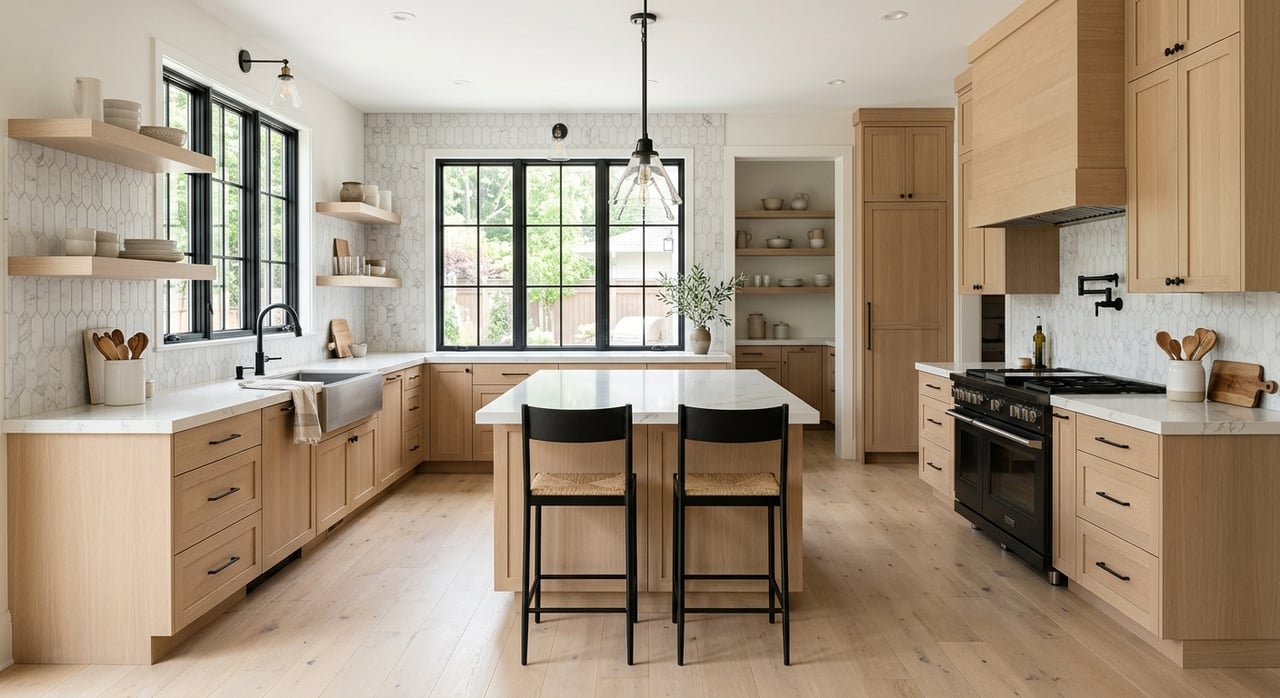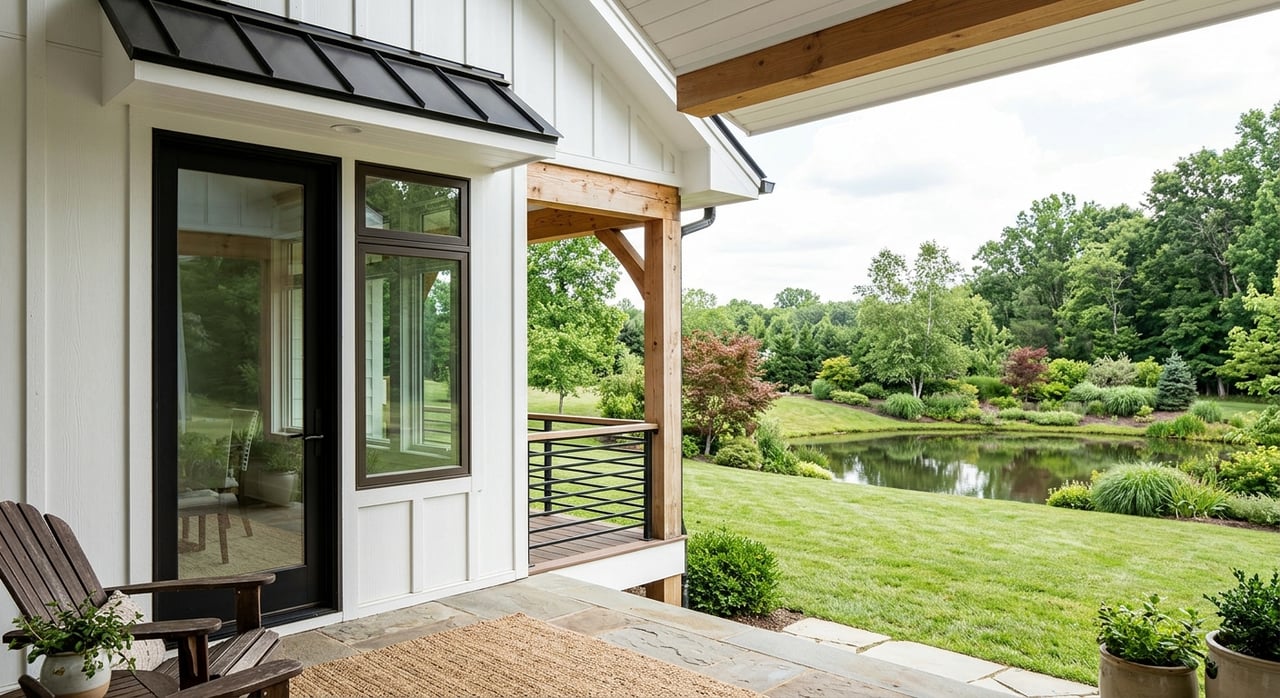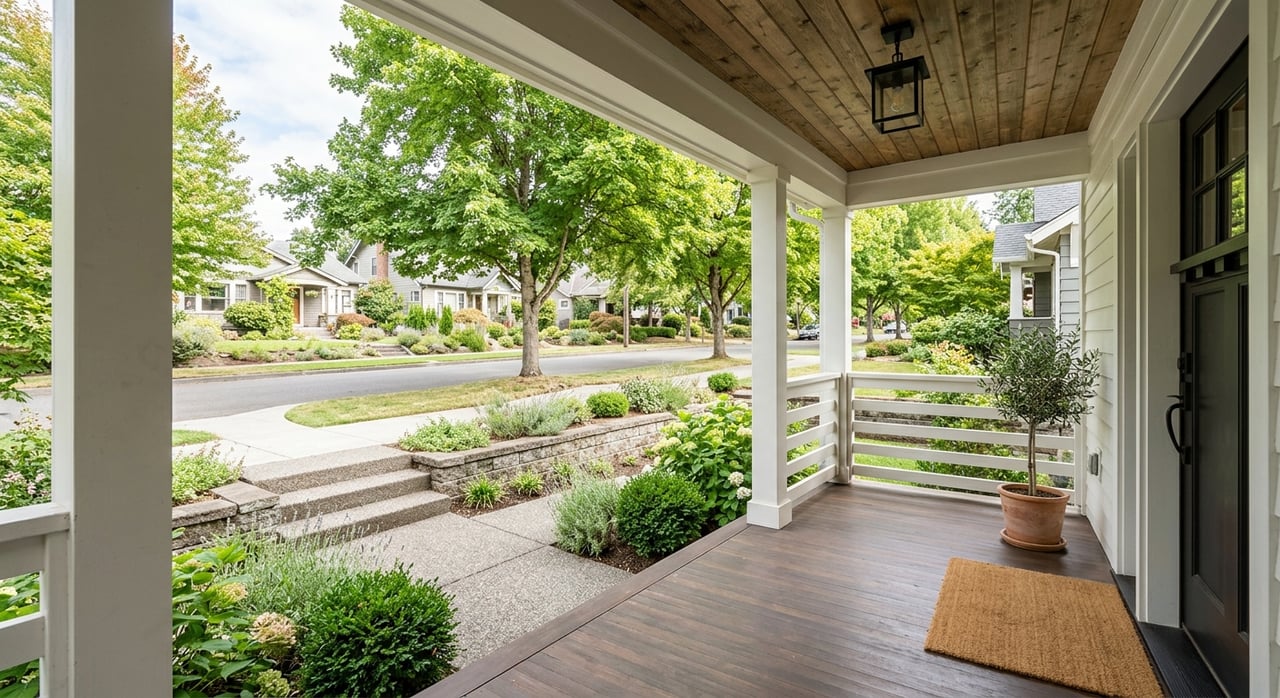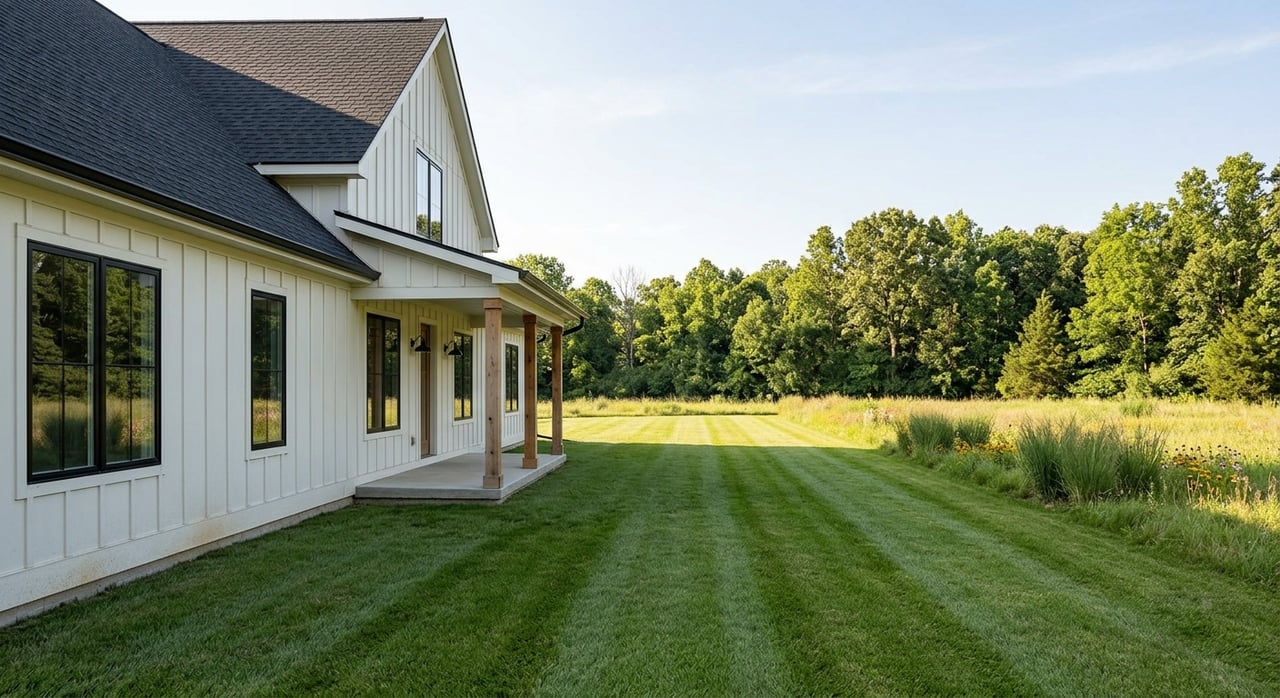
Wondering why selling a home with land in Warren County can feel harder than selling a house in a neighborhood subdivision? You are not imagining it. When a property includes acreage, buyers look at much more than square footage, and the details behind the land can shape value, demand, and how quickly the property sells. If you want a smoother sale and a stronger result, it helps to treat your property like a house and land package from day one. Let’s dive in.
Why acreage homes need a different strategy
In Warren County, homes with land sit in a different market space than standard subdivision properties. The county covers 541.72 square miles of land, and local planning guidance treats land use, infrastructure, and open space as key parts of how property is evaluated and developed.
That matters when you sell. A buyer looking at a home on acreage is often comparing access, usable land, utility setup, and outbuildings, not just bedroom count and interior finishes. Your pricing and marketing need to reflect that broader picture.
Warren County also has zoning categories that reinforce this difference. For example, the RR, or Rural Residential, district is meant for large-lot residential development in unincorporated parts of the county, while the R-E, or Residential Estate, district is designed for large-lot rural estates that may or may not have public sanitary sewer service.
Start with boundary and acreage clarity
One of the biggest mistakes in an acreage sale is assuming the land is easy to understand from a map or aerial image. It is not. Acreage can be overestimated visually, and buyers want confidence about what they are actually purchasing.
A current survey can make a major difference. A licensed land surveyor can establish the property boundary, marked corners, and legal description, which helps reduce confusion and makes your listing easier for buyers to evaluate.
If you do not have a recent survey, it is smart to find out what documentation is available before your home goes on the market. Even when a buyer plans to do their own due diligence, clear boundary information helps your property feel more credible and easier to move forward on.
Clarify utilities early
Utilities often carry more weight on a land property than sellers expect. In Warren County, zoning distinguishes between sewer-served lots and properties that rely on onsite systems, so buyers will want a clear explanation of how the home is served.
If the property uses a septic system, Kentucky’s onsite sewage program relies on local health department site evaluations to determine whether site and soil conditions are suitable. If you have permits, design plans, or other septic-related records, gathering them early can help answer buyer questions before they become delays.
If the property has a private well, buyers may also ask about water quality and maintenance. Kentucky guidance notes that nearby land uses can affect groundwater quality, and regular well checkups and annual testing are recommended.
Gather records that support value
When you sell a home with land, documentation helps buyers understand how the property functions in real life. That includes more than the deed or tax record.
Useful records may include:
- Survey documents
- Soil test results
- Wastewater system design plans and permits
- Well testing or water-quality records
- Tax maps showing acreage and neighboring boundaries
- Notes about trails, open ground, wooded areas, or other land features
These materials help buyers picture the property with fewer unknowns. They also support a cleaner conversation around value, especially when your home includes features that may not show up well in standard listing fields.
Price the house and land together
Acreage homes in Warren County should not be priced like a simple square-footage comparison. Kentucky’s Department of Revenue says property valuation may involve the sales comparison approach for residential property, the cost approach for improvements such as barns and fencing on farm properties, and then the addition of land value to improvement value.
That framework shows why a land property needs custom pricing. The house matters, but so do the features around it. Usable acreage, access, topography, septic or well status, floodplain limitations, fencing, and outbuildings can all affect how buyers compare your property to others.
This is one reason online estimates often miss the mark on homes with acreage. A property with 10 usable acres, a barn, and strong access may compete very differently from a property with similar house size but steeper terrain, less usable ground, or more utility limitations.
Understand agricultural assessment questions
Some Warren County land may qualify for agricultural assessment under Kentucky rules, which means qualifying farmland can be assessed at its agricultural value rather than its market value. That is important for tax treatment, but it does not mean market value and assessed value are the same thing.
If your property has farmland characteristics or mixed residential and land value considerations, buyers may have questions about how the property has been assessed. Being ready to explain what you know, and to share the relevant records you have, can help avoid confusion during the sale process.
Show buyers how the land works
With acreage, photos need to do more than make the home look attractive. They need to explain the layout and function of the land.
Aerial and drone images are especially useful because they show the shape of the tract, the location of the home, the driveway approach, open versus wooded areas, and how outbuildings or water features relate to the rest of the property. That context is hard to communicate with ground-level photography alone.
In-person showings matter too. Buyers should be able to quickly understand where the usable space is, where the boundaries generally run, and how they would move through the property.
Write the listing around land use
The strongest listing descriptions for acreage homes answer one main question: how does this land actually work? That means your listing should describe the property in ways that help buyers picture practical use.
Important details often include:
- Usable acreage
- Access and driveway setup
- Open ground versus wooded sections
- Barns, fencing, ponds, or creeks
- Utility setup, including sewer, septic, or well service
- Zoning district, such as AG, RR, or R-E, when relevant to buyer expectations
This kind of description does more than add color. It helps attract buyers who are actually looking for what your property offers.
Expect deeper buyer questions
Buyers shopping for a home with land usually do more due diligence than buyers in a standard neighborhood setting. They are often thinking about present use, future flexibility, and maintenance needs at the same time.
Common buyer questions include whether the acreage is surveyed, how much of the land is usable, what utility systems serve the home, whether there has been recent septic evaluation or well testing, and whether zoning or lot restrictions affect future use. The more clearly you can answer these questions, the more confidence you create.
This does not mean you need every answer before listing. It does mean you should prepare for these questions early, so your marketing and showing strategy feel organized and professional.
Prepare your home and land for showings
Curb appeal matters on any sale, but with acreage, the first impression starts before a buyer reaches the front door. A long driveway, gate, fence line, or open field can shape the showing experience right away.
Before listing, it helps to make the property easier to read. That may include mowing key areas, trimming around entrances, clearing sight lines to important features, and making sure outbuildings are accessible and presentable.
You do not need to over-improve the land. You just want buyers to quickly understand the major features, usable areas, and flow of the property.
Why local pricing matters in Warren County
Warren County has about 149,375 residents, 65,104 housing units, a 55.6% owner-occupied rate, and a median value of $258,000 for owner-occupied homes. Those numbers are useful market context, but they do not tell the full story for an acreage property.
A home with land often appeals to a narrower buyer pool than a typical in-town listing. That makes precise pricing, strong presentation, and clear explanations even more important.
In other words, the goal is not to market your property like a standard house and hope buyers figure out the land later. The goal is to present the full value clearly from the start.
Sell with a custom acreage plan
If you are selling a home with land in Warren County, the best results usually come from a custom approach. That means verifying boundaries, organizing utility and land records, pricing the property as a full package, and marketing it with visuals and copy that explain how the land adds value.
That kind of strategy helps buyers feel informed, reduces avoidable confusion, and supports a more confident sale. If you want expert guidance on pricing and presenting your acreage property in Warren County, connect with Jeremy Dawson.
FAQs
What makes selling a home with land in Warren County different from selling a subdivision home?
- Buyers usually evaluate the house, acreage, access, utilities, usable land, and outbuildings together, so pricing and marketing need to reflect more than just the home itself.
What records should you gather before selling a home with acreage in Warren County?
- Helpful records include a survey, soil tests, septic permits or plans, well or water-quality records, tax maps, and notes about features like trails, woods, fencing, or open ground.
Why is a survey important when selling land with a house in Warren County?
- A current survey helps confirm boundaries, marked corners, and legal description, which makes the listing clearer and gives buyers more confidence in what they are buying.
What utility details do buyers ask about on Warren County land properties?
- Buyers often ask whether the home is served by sewer, septic, or a private well, and they may want supporting records such as site evaluations, permits, or water testing results.
How should you price a home with land in Warren County?
- The strongest pricing approach considers the house and the land together, including usable acreage, access, topography, utility setup, fencing, and outbuildings rather than relying on square footage alone.
What should a Warren County acreage listing description include?
- It should explain usable acreage, access, open and wooded areas, water features, barns or fencing, utility setup, and zoning context when that information shapes buyer expectations.