Wondering what it’s really like to live near downtown Bowling Green? If you want a home base with character, easy access to restaurants and events, and a lifestyle that lets you walk more and drive less, this part of the city stands out. Here’s a practical look at everyday life near the downtown core, from parks and housing styles to parking, entertainment, and what kind of buyer may feel most at home here. Let’s dive in.
Downtown Bowling Green in daily life
Downtown Bowling Green is more than a business district. The City of Bowling Green describes it as the heart of the city and a cultural destination, with dining, entertainment, and growing residential opportunities. Western Kentucky University also notes that Bowling Green is Kentucky’s third-largest city, and that WKU’s main campus is close to downtown.
For you as a buyer, that means daily life can feel active without feeling overwhelming. The downtown core is compact, which makes it easier to combine errands, meals, and entertainment into one outing. It has a small-city rhythm with enough activity to keep things interesting.
Parks and outdoor spaces nearby
One of the biggest perks of living near downtown Bowling Green is how many public spaces are woven into the area. Fountain Square Park serves as a signature landmark downtown, and it helps anchor the surrounding streets with a clear gathering place. It is the kind of spot that gives a downtown area a recognizable center.
Circus Square Park adds even more day-to-day appeal. Located in the heart of downtown, it features open green space, a sprayground, and summer concerts. If you enjoy having outdoor space nearby for casual walks, community events, or simply getting outside for a bit, this park plays a big role in the downtown lifestyle.
The riverfront adds another layer. Mitch McConnell Park, also known as the Riverwalk, is part of the BikeWalk BG trail system and is promoted for walking, running, biking, and evening strolls. For many buyers, that kind of access matters because it gives you a way to stay active without driving across town.
Walkability with practical backup
Downtown Bowling Green supports a lifestyle that is walkable in many ways, but still realistic for everyday needs. BikeWalkBG promotes biking and walking across Bowling Green, and the local planning commission highlights transit access to destinations like Fountain Square Park, WKU, grocery and discount stores, doctors’ offices, the medical center, and the convention center.
That creates a hybrid setup that works well for a lot of people. You may be able to walk to coffee, dinner, events, or a park, then still use your car when you need to cover more ground. In other words, downtown living here is convenient without asking you to give up flexibility.
Parking helps make that possible too. The city’s downtown parking map notes more than 1,200 free public parking spaces, along with leased parking near Fountain Square. If you like the idea of downtown access but worry about parking, that detail can make a difference.
Dining and shopping close to home
A big part of everyday life near downtown Bowling Green is having a dense mix of local businesses nearby. The city’s Fountain Square shop-and-dine map shows a close cluster of restaurants, coffee shops, bars, bookstore retail, jewelry, vintage stores, interiors, and gift shops around the square. That concentration supports a more connected daily routine.
Instead of planning a long drive for every outing, you can often keep things simple. Meeting a friend for coffee, grabbing dinner, browsing local shops, or stopping by a bookstore can all happen within a short area. For many buyers, that convenience is a major reason downtown stands out from more spread-out parts of the market.
It also gives the area a little more personality. When businesses are concentrated in a walkable core, the result is usually a stronger sense of place. That can make everyday errands and weekend plans feel less repetitive.
Entertainment is part of the routine
Living near downtown also means you are close to some of Bowling Green’s best-known venues. The Capitol is a historic theater with a 750-seat auditorium and a year-round schedule of performances, concerts, films, and events. SKyPAC hosts Broadway musicals, concerts, comedians, theater, and gallery exhibitions.
Bowling Green Ballpark adds another option right in the heart of downtown. As a 4,500-seat stadium, it gives the area a built-in event anchor that can bring extra energy to the neighborhood. If you like the idea of having entertainment nearby without a long commute, that is a meaningful advantage.
There is also Fountain Row, the city’s designated entertainment district. Participating businesses can sell approved to-go alcoholic drinks from 11 a.m. to 9 p.m. daily, which supports a more stroll-friendly experience between venues. That setup reinforces the idea that downtown outings can be flexible and social.
Seasonal events keep things lively
Some neighborhoods feel predictable day after day. Downtown Bowling Green tends to have more variety because the event calendar stays active throughout the year. Official city and visitor sources highlight recurring events such as Concerts in the Park, Downtown BGKY Lights Up, Downtown BGKY Harvest Fest, and Duncan Hines Days.
For you, that can shape how the area feels beyond just the home itself. Regular events bring people into public spaces and create reasons to be out and about. If you enjoy living somewhere with a little local energy, this is one of downtown’s strongest selling points.
Housing styles near downtown
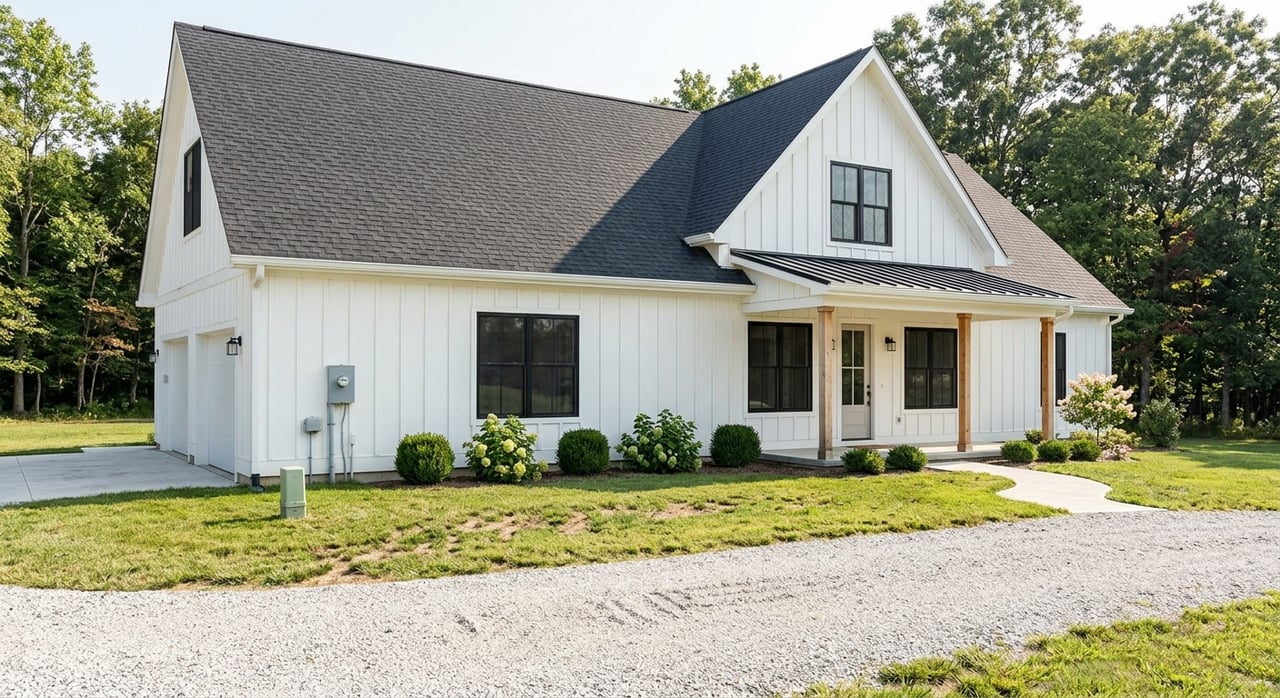
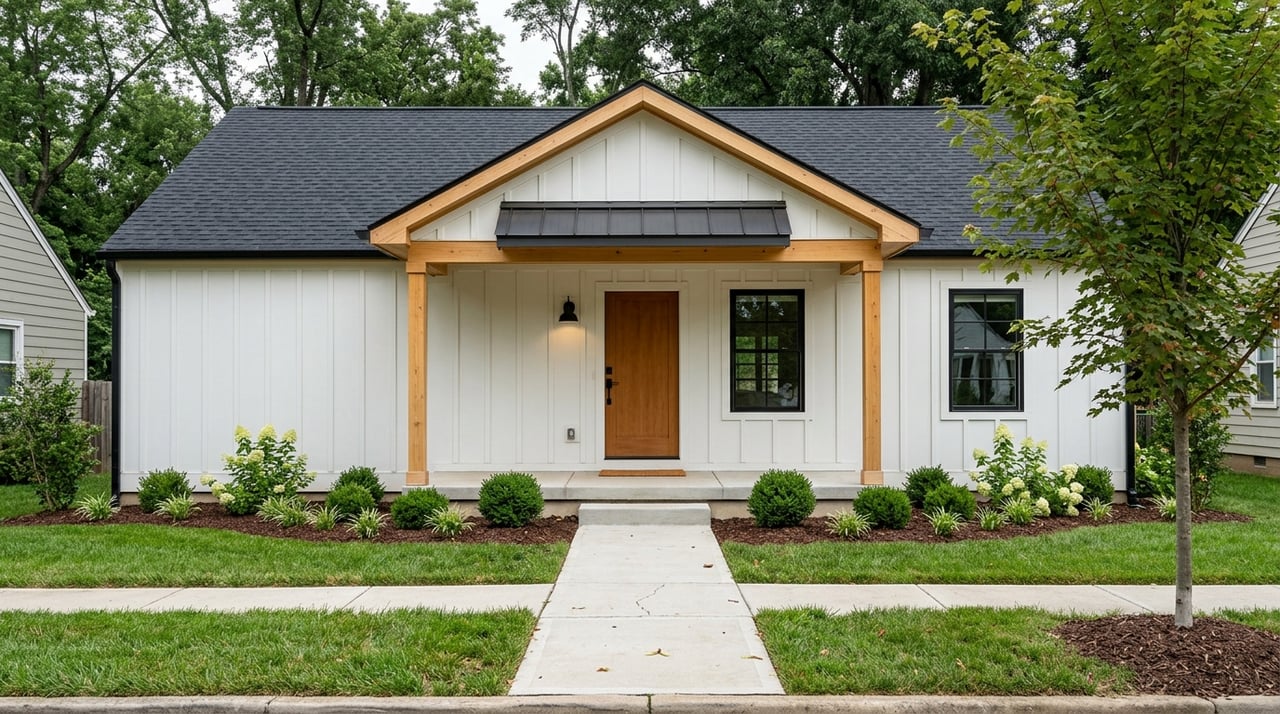
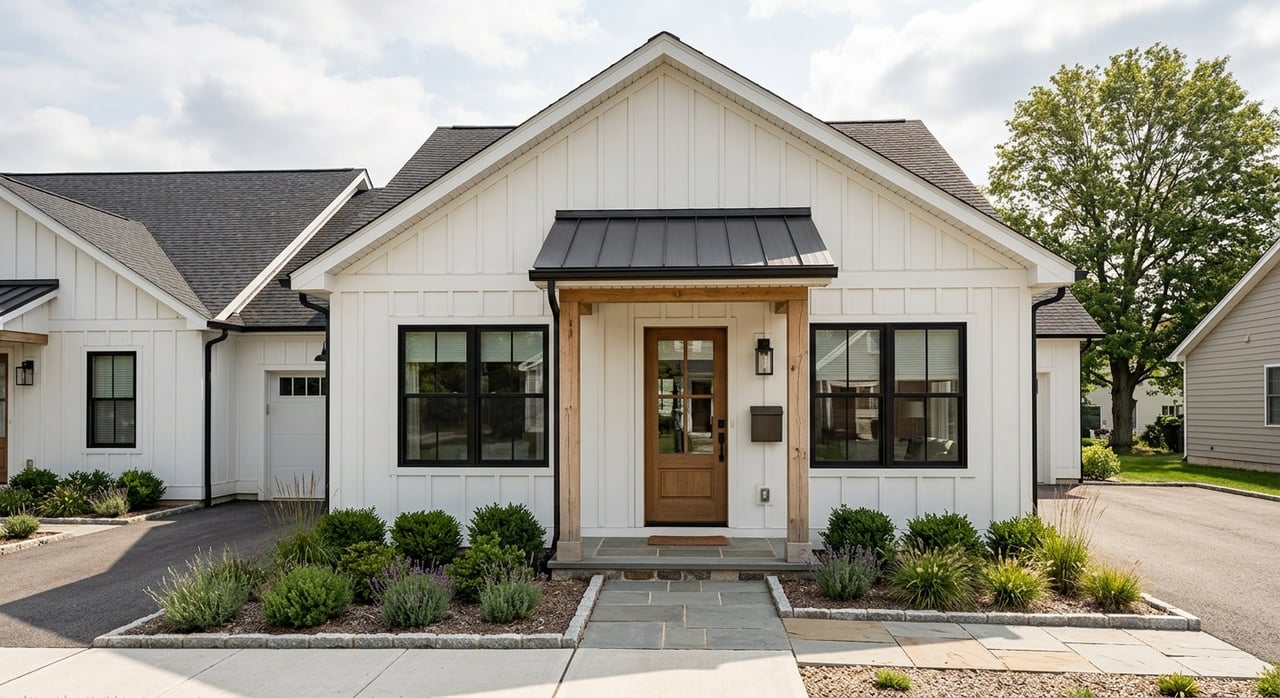
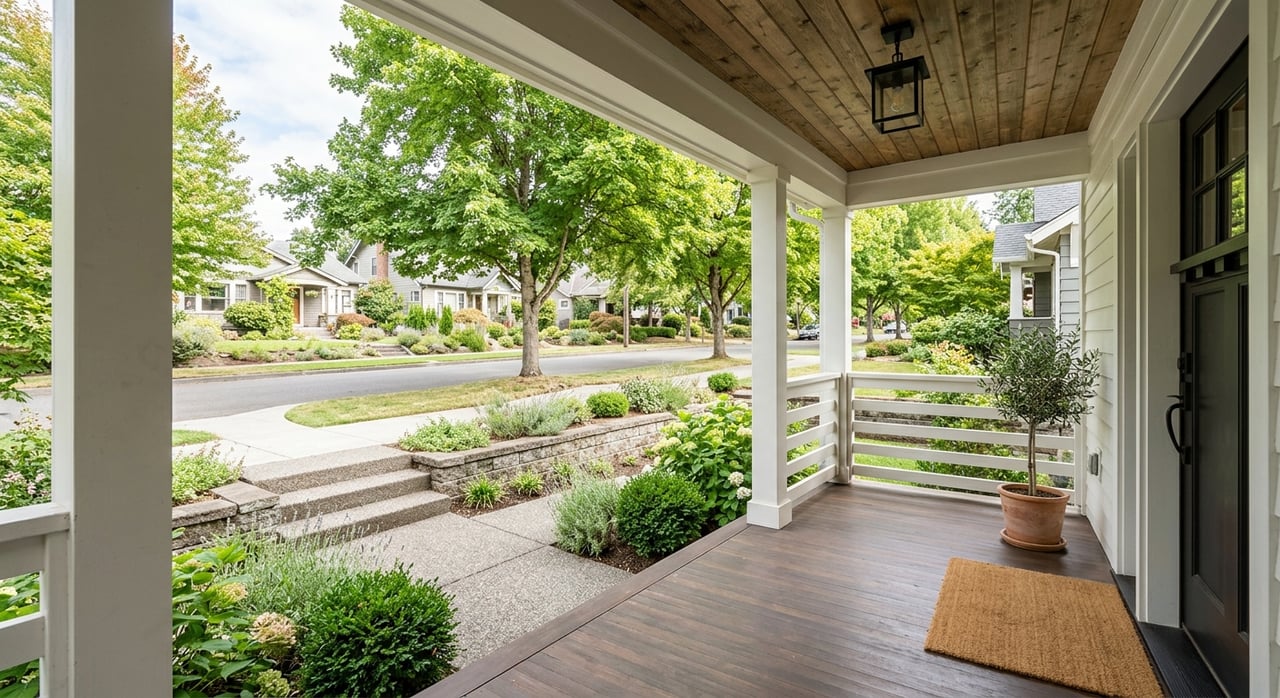
Housing near downtown Bowling Green is not one-size-fits-all. The area includes historic homes, early 20th-century bungalows, newer infill homes, and adaptive reuse in older buildings. That variety gives buyers more options than you might expect from a central-city location.
The Shake Rag Historic District helps define the area’s character. It includes elaborate homes and bungalows, and it reflects the fact that the downtown core contains some of the city’s oldest housing stock. The city’s housing study also points to rehabilitation and redevelopment as recurring themes in this part of the market.
If you prefer something newer, there are infill examples like Lee Square. This downtown single-family development includes 27 homes ranging from about 1,200 to 1,500 square feet, plus a neighborhood park and walking trail. That mix of old and new is one reason downtown Bowling Green appeals to buyers with different priorities.
Apartment-style and mixed-use living also exist in the historic core. The Candle Loft, for example, is an apartment-style suite overlooking Fountain Square Park, and other downtown properties combine lodging, offices, shops, and event space in renovated historic buildings. This kind of housing mix can create more flexibility in location, style, and upkeep.
What pricing can look like
Broad market trackers place Bowling Green roughly in the high-$200,000s to low-$300,000s. Zillow reports an average home value of $288,241, Redfin reports a recent median sale price of $293,000, and Realtor.com shows a median listing price of $329,900. Those figures give useful citywide context.
Downtown pricing, though, can vary more block by block than a typical subdivision. That is because the housing stock ranges from historic homes and bungalows to renovated commercial spaces and newer infill construction. When you look in this area, comparing homes carefully matters more than relying on a single broad number.
This is where local valuation insight becomes especially important. Two homes close to each other may offer very different square footage, condition, lot setup, or renovation quality. Buyers who understand that early usually make better decisions and set more realistic expectations.
Who tends to like downtown living
Downtown Bowling Green can be a strong fit if you value access and character over a large lot or a purely car-dependent routine. The city says downtown assets are being grown for young professionals, growing families, and anyone seeking a vibrant downtown experience. In practical terms, the area often appeals to buyers who want restaurants, parks, events, and a more active street life nearby.
That does not mean every downtown block feels the same. Some areas may lean more historic, while others may feel more tied to entertainment or civic spaces. If you are thinking about buying here, it helps to focus on the specific pocket, housing type, and daily routine you want.
Is downtown Bowling Green practical?
For many buyers, yes. Downtown Bowling Green offers walkable access to many leisure stops, meaningful transit coverage, notable parking availability, and a housing mix that includes historic homes, new infill, and adaptive reuse. It is practical in a small-city way, which is part of its appeal.
The best fit usually comes down to how you want to live day to day. If you like being close to parks, dining, events, and a connected street grid, this area deserves a serious look. If you want help weighing value, location, and lifestyle tradeoffs, a local expert can help you narrow the options with more confidence.
If you’re thinking about buying or selling near downtown Bowling Green, Jeremy Dawson can help you make sense of the market with clear, local guidance.
FAQs
What is everyday life like near downtown Bowling Green?
- Everyday life near downtown Bowling Green often includes easy access to parks, restaurants, local shops, entertainment venues, and seasonal events within a compact area.
Is downtown Bowling Green walkable for daily activities?
- Downtown Bowling Green supports a walkable lifestyle for many meals, events, and leisure stops, while still offering transit access and more than 1,200 free public parking spaces for added convenience.
What parks are near downtown Bowling Green?
- Key downtown-area parks include Fountain Square Park, Circus Square Park, and Mitch McConnell Park, also called the Riverwalk, which connects to the BikeWalk BG trail system.
What kinds of homes are near downtown Bowling Green?
- Housing near downtown Bowling Green includes historic homes, early 20th-century bungalows, newer infill single-family homes, and apartment-style or mixed-use spaces in renovated buildings.
Are home prices near downtown Bowling Green all the same?
- No, pricing near downtown Bowling Green can vary more than in a standard subdivision because housing types, age, condition, and renovation levels differ from block to block.
Who should consider living near downtown Bowling Green?
- Buyers who value character, nearby dining, public events, walkability, and a more active daily setting often find downtown Bowling Green to be a strong lifestyle match.