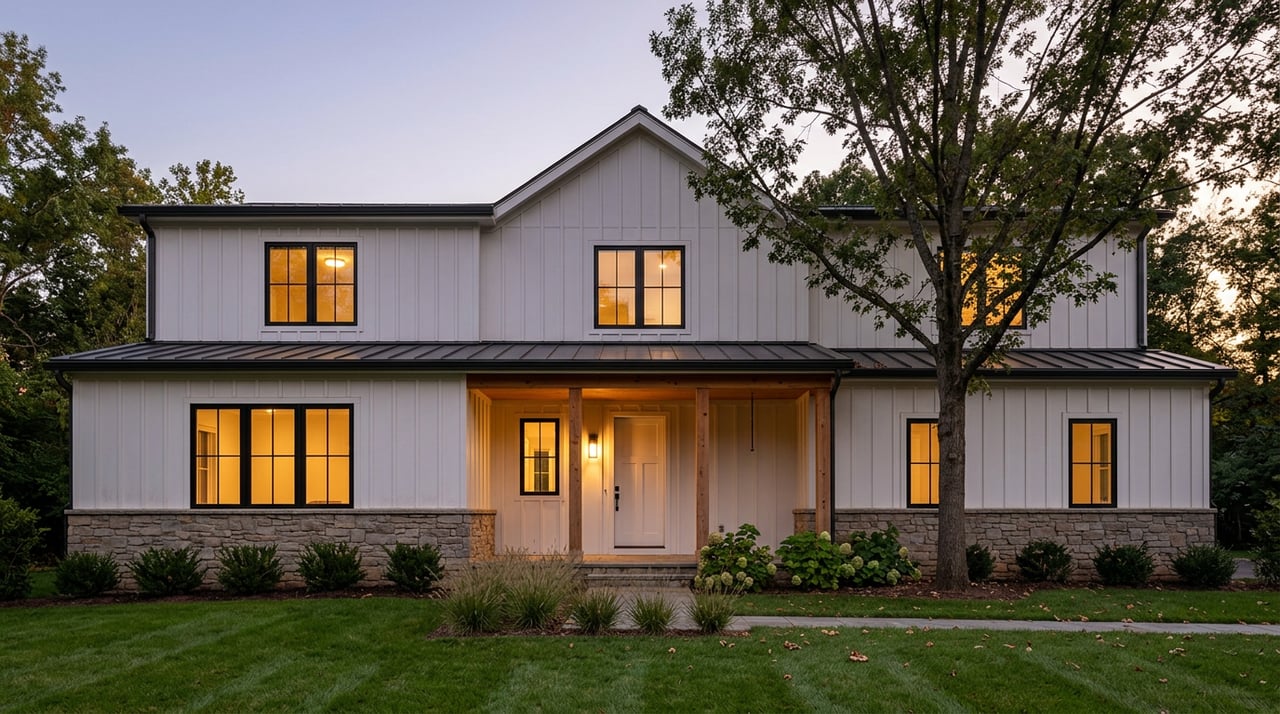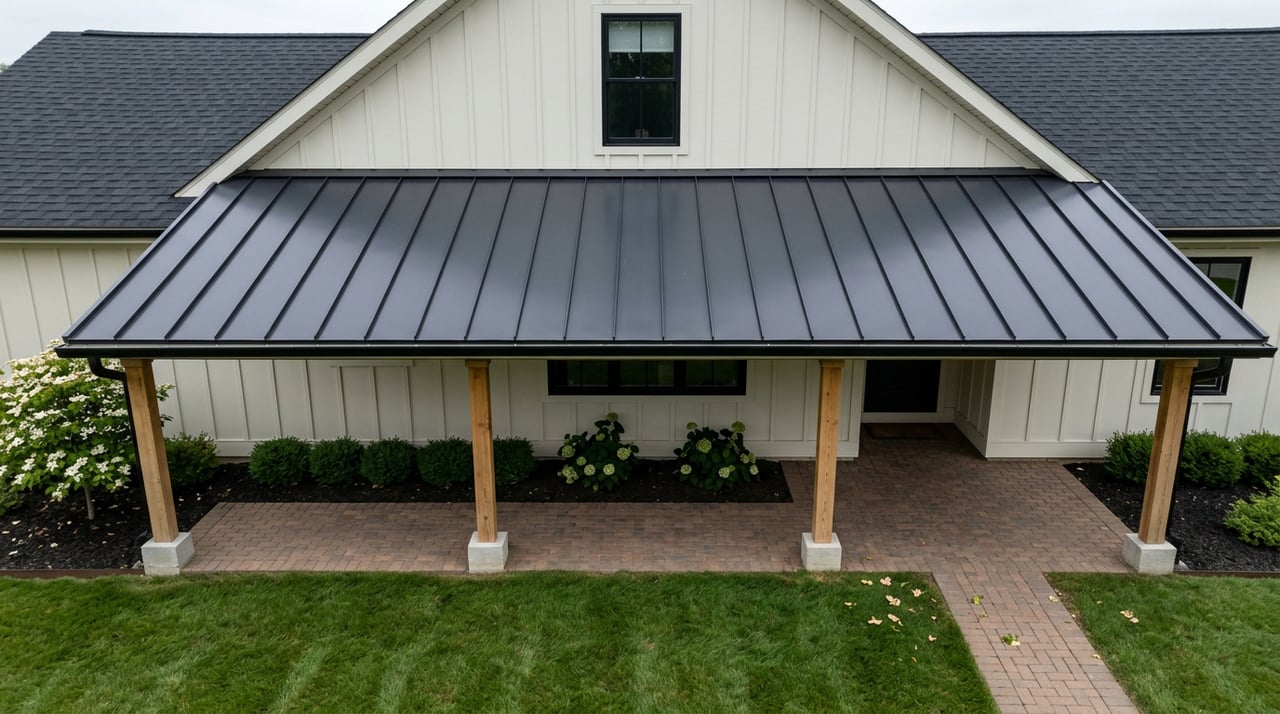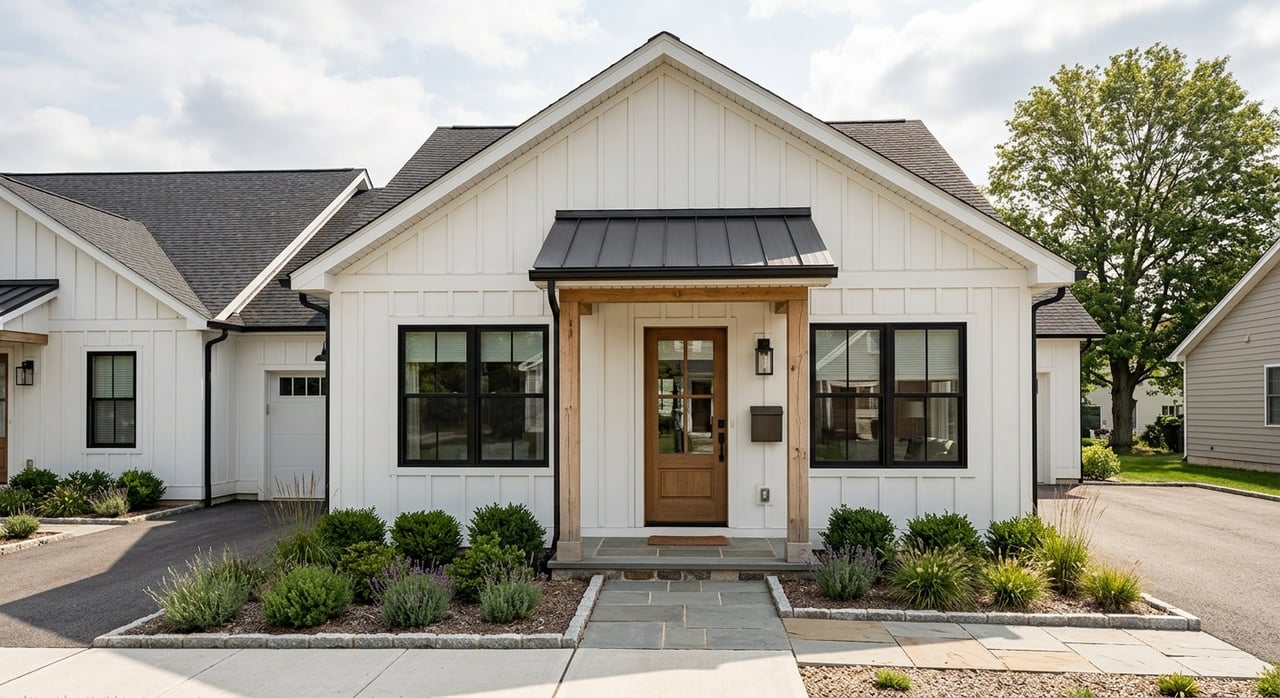
Wondering if it’s time to trade extra space for less upkeep? If you’ve lived in your home for years, downsizing can feel equal parts practical and emotional. The good news is that in Bowling Green, you can approach the move with a clear plan, a realistic view of your equity, and a better sense of what your next chapter could look like. Let’s dive in.
Why downsizing matters in Bowling Green
Downsizing is not just about moving into a smaller home. It is often about lowering maintenance, simplifying your monthly budget, and choosing a home that better fits how you live now.
That conversation is especially relevant in Bowling Green and Warren County. U.S. Census QuickFacts estimates Bowling Green’s 2024 population at 79,076 and Warren County’s at 147,936, with Warren County up 9.9% from April 2020 to July 2024. The local 65+ population is also meaningful, which makes downsizing and aging-in-place planning a very real local need.
For many longtime owners, the biggest opportunity is equity. Census data reports a median value of owner-occupied homes of $241,900 in Bowling Green and $258,000 in Warren County, while Redfin reported a median Bowling Green sale price of about $292,500 in March 2026. If you have owned your home for a long time, that gap may be worth a close look.
Start with your numbers
Before you think about paint colors, storage bins, or floor plans, start with your financial picture. A smart downsizing plan begins with net proceeds, not just your home’s possible sale price.
You will want to compare a few core numbers side by side:
- Expected sale price
- Remaining mortgage balance
- Estimated closing costs
- Moving expenses
- Monthly cost of your next home
- Ongoing maintenance and utility costs
Local cost benchmarks can help you frame the decision. In Warren County, Census QuickFacts shows median selected monthly owner costs of $1,463 with a mortgage and $500 without one. In Bowling Green, the figures are $1,447 with a mortgage and $553 without one.
Those are not your exact costs, of course. Still, they can help you ask the right question: Will a smaller home actually reduce your monthly carrying costs in a meaningful way?
Know how much equity you can use
Equity can create flexibility, but only if you measure it carefully. Many homeowners look at a likely sale price and assume that number becomes cash in hand, but your actual proceeds may be lower after loan payoff, selling costs, and moving expenses.
This is where a valuation-based approach matters. If you are downsizing in Bowling Green, it helps to look at your home through today’s market conditions, not yesterday’s assumptions. That gives you a clearer picture of what you may be able to put toward your next purchase, future expenses, or savings goals.
Local timing matters too. Redfin’s March 2026 data showed Bowling Green homes taking about 81 days to sell, and the market was described as not very competitive. That suggests a move like this usually works best when you start planning well before you need to be out of the house.
Review tax details early
Taxes can have a real impact on your downsizing budget. If you sell a primary residence, the IRS says you may be able to exclude up to $250,000 of gain, or up to $500,000 for married couples filing jointly, if you meet the ownership and use tests.
For longtime homeowners, that exclusion may make a major difference. It is one more reason to review your sale plan early, especially if your home has appreciated significantly over time.
If you are 65 or older, Kentucky’s homestead exemption is another important local detail. According to the Kentucky Department of Revenue, the exemption applies to homeowners age 65 or older or those classified as totally disabled, and the 2025-2026 exemption value is $49,100.
Because that exemption is tied to a qualifying primary residence, it is smart to check your status before you sell or move. Warren County’s Property Valuation Administrator directs residents to apply locally, so this is not something to leave until the last minute.
Give yourself more time than you think
One of the biggest downsizing mistakes is rushing. Even when the move feels overdue, the process usually goes better when you give yourself enough time to make clear decisions.
In Bowling Green, that means planning for both the sale timeline and the personal side of the move. If homes are taking around 81 days to sell, you may need several additional weeks or months for decluttering, repairs, packing, and finding your next home.
A slower pace can also make the emotional side easier. Downsizing often means sorting through years of furniture, family keepsakes, and everyday items that once filled a busy household. When you build in enough time, you can make thoughtful choices instead of stressful ones.
Treat downsizing as a life transition
For many homeowners, the hardest part of downsizing is not square footage. It is letting go of a place tied to memories, routines, and identity.
That is why it helps to reframe the move. Downsizing is not only about what you are leaving behind. It is also about what you are making room for, such as easier maintenance, lower physical demands, simpler living, or being closer to services and activities you use regularly.
A practical plan can help you move forward with confidence. Focus on the lifestyle you want in the next home, not just the items you need to sort through in the current one.
What to look for in your next home
The best downsizing move is not always the smallest house. The better goal is a home that fits your current needs with less effort and fewer ongoing demands.
As you compare options in Bowling Green, think about:
- Single-level living if stairs are becoming less convenient
- Lower-maintenance exteriors or smaller lots
- Less unused space to heat, cool, and clean
- Convenient access to shopping, medical facilities, and daily services
- Proximity to sidewalks, trails, or transit options
- Attached for-sale housing such as condos, if that format fits your needs
Bowling Green’s housing planning documents specifically include attached for-sale housing such as condominiums among the housing alternatives studied locally. That matters because downsizing here is not just about finding a smaller detached house. It can also mean choosing a different style of ownership and maintenance.
Bowling Green lifestyle features that support downsizing
A smaller home often works best when the surrounding area helps support daily life. In Bowling Green, several local features can make that transition easier.
The City’s Planning and Design Division says its New Sidewalk Program is intended to foster a walkable city. The City’s Traffic Management Program also promotes travel alternatives through mass transit, greenways, and bike paths.
Those details matter if you want a home that depends less on long drives and more on convenience. For many downsizers, easier access to services and recreation is part of the value of moving, not just a bonus feature.
The City’s Lee Square project is a useful local example of smaller-scale housing. The City says it includes 27 homes ranging from 1,200 to 1,500 square feet, along with a neighborhood park and walking trail, and that the homes are within blocks of the riverfront, medical facilities, parks, and shopping. Even if that specific development is not your destination, it shows the kind of lower-maintenance, connected environment some buyers want.
Local support systems can help
Downsizing is easier when you know what support exists around you. Bowling Green and Warren County offer several community resources that may be useful as you plan the next step.
The Warren County Senior Center offers programs and activities including exercise classes, social events, AARP Safe Drivers classes, and meal programs for eligible participants age 60 and older. For some homeowners, access to activity and connection is part of what makes a move feel sustainable.
The Barren River Area Agency on Aging and Independent Living also serves the region through its Aging and Disability Resource Center. It provides information and assistance for programs and services that support older and disabled adults across the BRADD area.
Community Action of Southern Kentucky adds more practical support. Its programs include LIHEAP for income-eligible households, RSVP volunteer connections for adults 55 and older, and the Senior Companion Program for older adults who need light support and friendly visits.
If transportation is part of your housing decision, the City says GO bg Transit serves residents within Bowling Green city limits. Access to transit can make a smaller home more practical if your goal is to reduce driving demands or stay close to the services you use most.
A practical downsizing checklist
If you want to keep the process manageable, start with these steps:
- Estimate your home’s current value based on today’s Bowling Green market.
- Calculate likely net proceeds after mortgage payoff, closing costs, and moving expenses.
- Review your next housing budget including monthly payments, utilities, insurance, and maintenance.
- Check tax questions early including federal capital gains rules and Kentucky homestead exemption details.
- Make a must-have list for your next home, focusing on layout, maintenance, and location.
- Create a sorting plan for furniture, keepsakes, donations, and storage.
- Build in extra time for preparing your current home and coordinating your move.
- Look beyond square footage and focus on how the next property supports your lifestyle.
Why local guidance matters
Downsizing is one of those moves where details matter. You are balancing home value, timing, monthly cost, and quality of life all at once.
That is why local, valuation-driven guidance can make such a difference. In a market like Bowling Green, where timing and pricing can shape your results, a clear plan helps you move with less stress and more confidence.
If you are considering a move, the goal is not simply to sell a house. It is to make sure your next home supports the way you want to live now and in the years ahead.
When you are ready to map out your options, connect with Jeremy Dawson for clear, local guidance on pricing, timing, and your next move.
FAQs
What does downsizing in Bowling Green usually mean for homeowners?
- Downsizing in Bowling Green often means moving to a home with less maintenance, lower carrying costs, or a layout that better fits your current lifestyle, not just choosing fewer square feet.
How long should I plan for a downsizing move in Bowling Green?
- Because Redfin reported Bowling Green homes taking about 81 days to sell in March 2026, many homeowners benefit from planning several months ahead to allow time for preparation, marketing, and the move itself.
Can homeowners in Bowling Green find smaller homes or condos?
- Yes. Bowling Green housing planning documents include attached for-sale housing such as condominiums among the local housing alternatives considered.
What financial numbers matter most when downsizing in Warren County?
- The key numbers are your likely sale price, mortgage payoff, closing costs, moving expenses, and the full monthly cost of your next home.
What tax issues should Bowling Green homeowners review before downsizing?
- You may want to review whether the IRS main-home capital gains exclusion applies to your sale and whether Kentucky’s homestead exemption affects your planning if you qualify.
What local resources can support older adults after downsizing in Bowling Green?
- Local support may include the Warren County Senior Center, the Barren River Area Agency on Aging and Independent Living, GO bg Transit, and Community Action of Southern Kentucky programs.