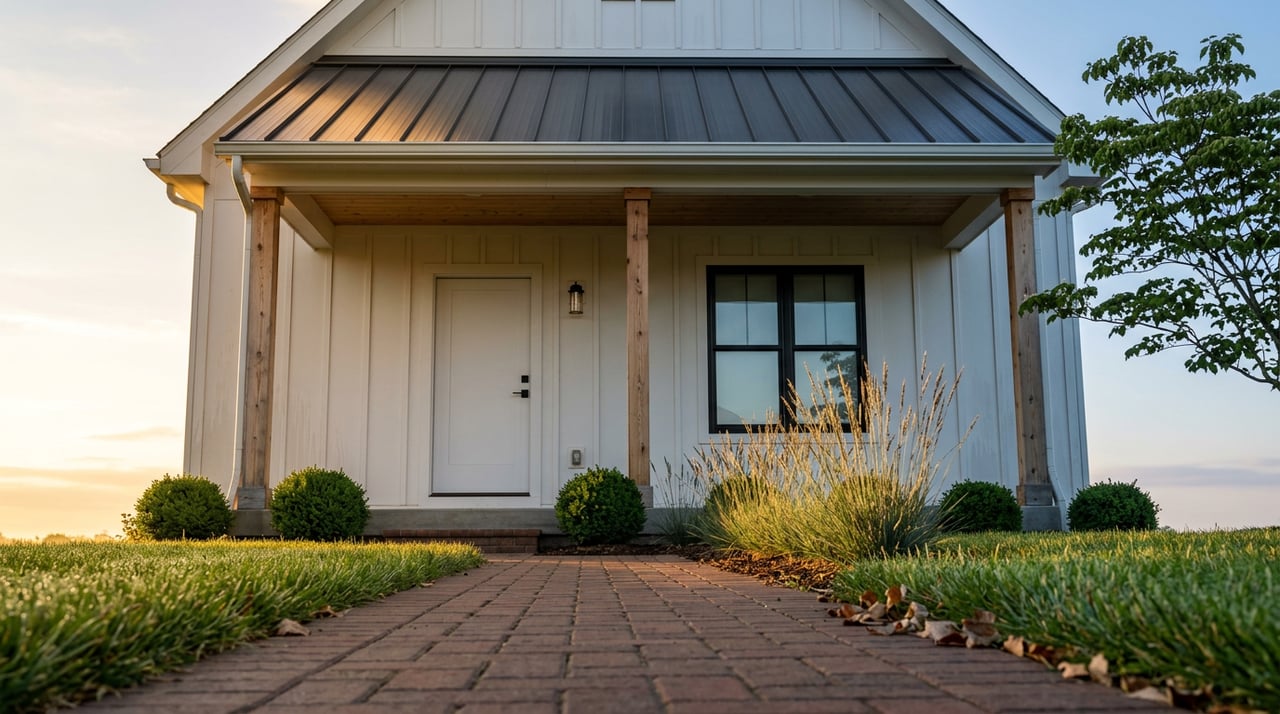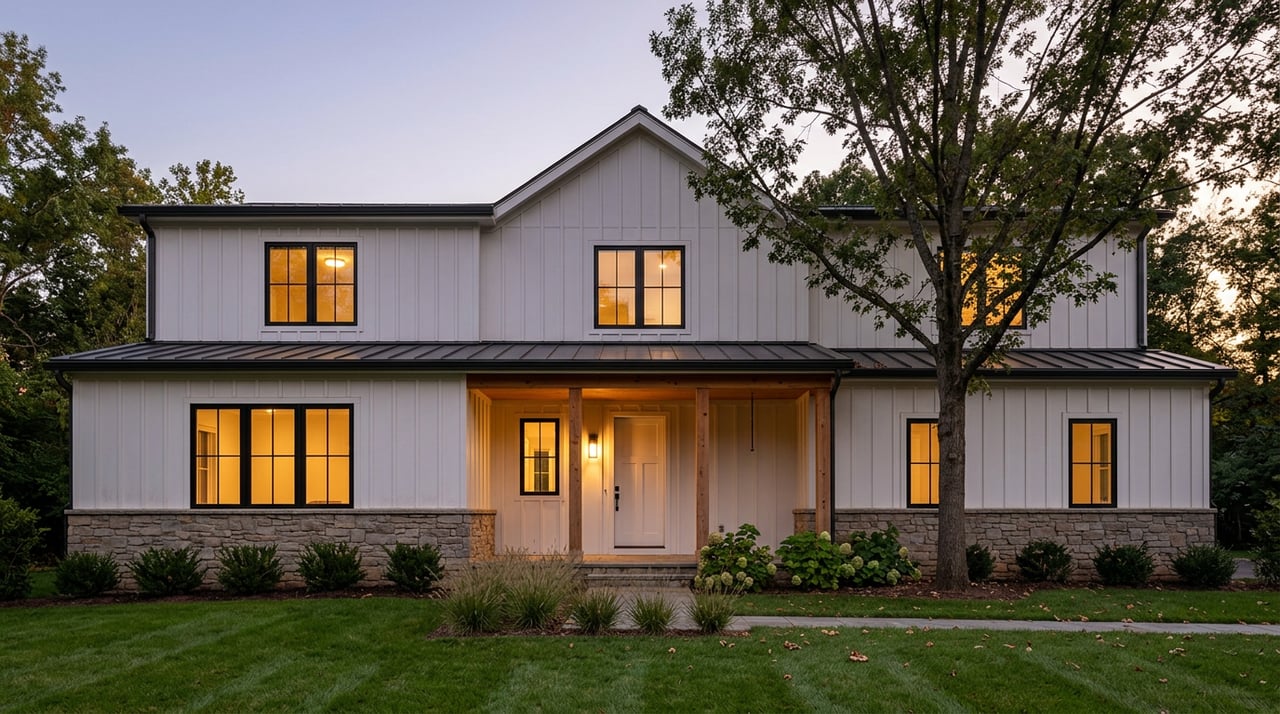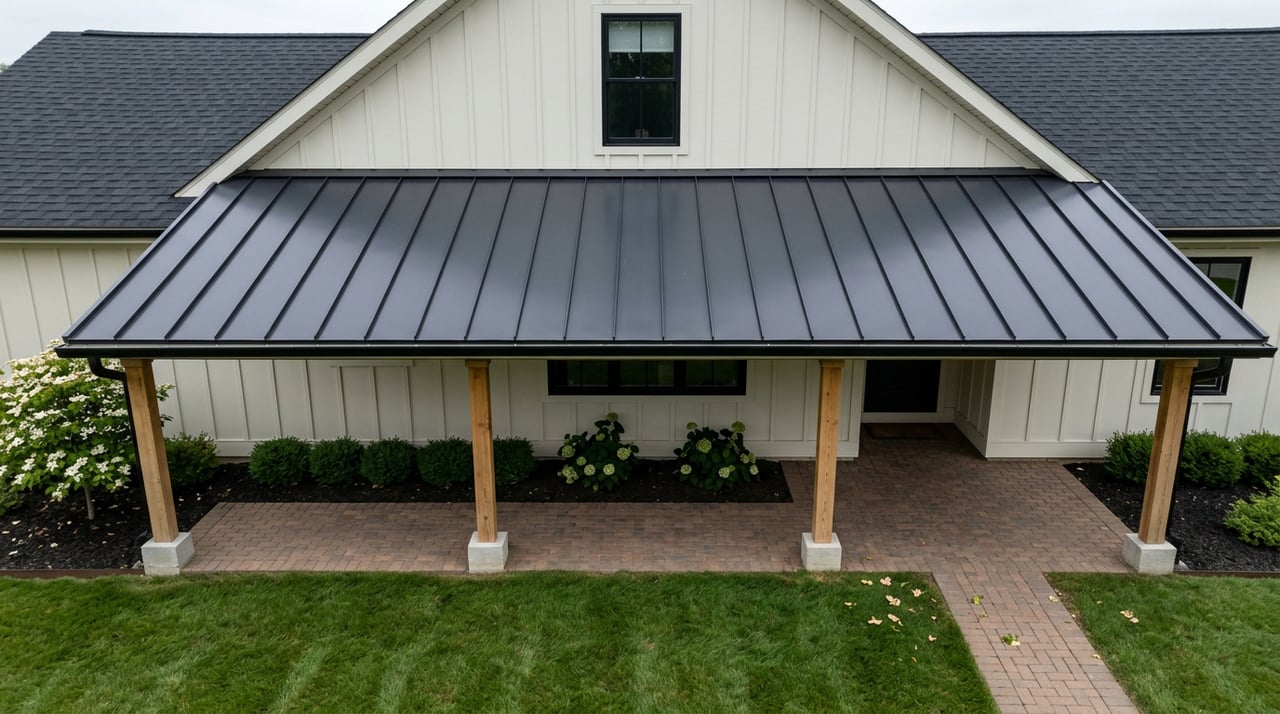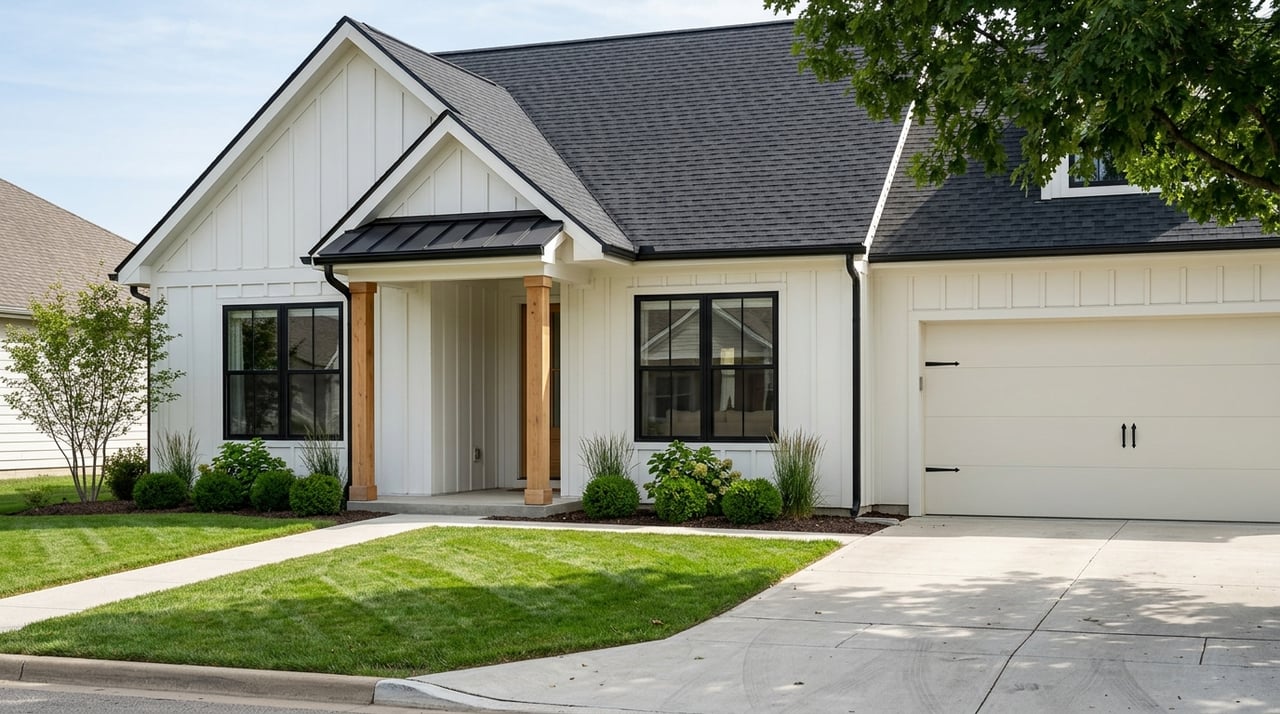
Wondering whether a brand-new home or an existing one makes more sense in Warren County? You are not alone. This choice can affect your timeline, your budget, your inspection process, and even how easy it is to support the price with local comparable sales. If you are weighing both options, this guide will help you understand the real tradeoffs in Warren County and make a more confident decision. Let’s dive in.
New construction in Warren County
A new construction home can be appealing if you want a fresh start, modern systems, and a chance to pick finishes or a floor plan. In Warren County, that appeal often comes with more moving parts behind the scenes. The exact process can change based on whether the property is inside Bowling Green or in the county outside city limits.
Outside Bowling Green and Oakland, Warren County Building Services enforces the Kentucky Building and Residential Codes along with the National Electric Code for new construction. All new construction requires a permit, even in agricultural zoning. Inside Bowling Green, the city has its own building division and a more detailed permit and inspection structure.
That matters because your build timeline is not just about when framing starts. It also depends on inspections, approvals, and whether the property has any site issues that need extra attention. In both city and county settings, paperwork and scheduling can shape how quickly you get to closing.
Inspections can shape the timeline
For county new builds, inspections typically move through footing, foundation or underfloor, framing, energy efficiency, and final approval. Warren County notes that inspections need at least two business days, and there is no certificate of occupancy until all required inspections are approved. The county also added a required energy-efficiency inspection for primary structures in 2022.
Inside Bowling Green, the inspection list is broader. It can include footing excavation, foundation, under floor, concrete floors, framing, vent and duct rough-in, energy, plumbing, HVAC, wall board, penetrations, right-of-way items, sidewalks and drives, and final approval. If you are buying a home before completion, these steps can affect your move-in date.
Costs can vary by location
Permit costs are not one-size-fits-all in Warren County. County permit fees are based on square footage with a $45 minimum. Bowling Green uses a construction-cost fee schedule instead.
That does not mean one option is always more expensive than the other. It does mean that location, build size, and site conditions can change the numbers quickly. When you compare new homes, it helps to look beyond the base price and ask how the lot and permit process may affect the final cost.
Site conditions matter more than many buyers expect
In Warren County, the land itself can change the math on a new build. The permit application asks for details like subdivision, lot number, lot size, driveway entrance, basement status, estimated construction cost, and whether more than one acre will be disturbed. That is a clue that new construction decisions here often go well beyond the house plan.
Bowling Green also asks owners to consider property lines, setbacks, utility easements, rights-of-way, and underground utilities before work begins. A lot that looks simple at first glance may still involve extra planning or added site work.
Sewer, septic, and floodplain issues
Local rules can strongly affect whether a lot works well for a new home. Under Warren County zoning standards, lots in RS districts more than 2,000 feet from public sanitary sewer may use septic only if they meet specific size standards outside drainage easements and floodplains, and if the Barren River District Health Department approves a site evaluation for a conventional septic system.
The county also sets standards tied to flood levels. Lots served by public sewer must have at least 5,000 square feet above the 100-year flood level, while septic-served lots must have 20,000 square feet above that level. Improvements such as septic systems and parking cannot be placed within the floodplain.
Karst terrain can affect planning
Warren County describes the area as a karst region, which includes caves, sinkholes, springs, underground streams, and drainage challenges. Both Warren County and Bowling Green participate in the National Flood Insurance Program, and local stormwater rules are designed to reduce erosion and sediment impacts from land disturbance.
In Bowling Green, a Standard Erosion Prevention and Sediment Control Plan is required for all land-clearing activity. So if you are buying a lot and planning to build, the property may need additional review before the foundation is even poured. This is one reason two lots with similar list prices can lead to very different total costs.
What resale homes offer in Warren County
A resale home usually gives you a more immediate picture of what you are buying. The home is already built, the lot is already functioning as a homesite, and you can evaluate the property in its current condition. For many buyers, that makes the process feel more predictable.
You also skip the staged construction inspection chain that comes with a new build. That can make the path to closing simpler, especially if your goal is to move sooner rather than later. In a market where both new and existing homes are active, that simplicity can be a major advantage.
Due diligence looks different
With a resale home, the focus shifts from construction milestones to present-day condition. A home inspection and an appraisal still matter. The inspection helps you understand current defects or repair items, while the appraisal helps the lender assess value.
Those two steps are not the same thing. A home inspection looks at condition, while an appraisal supports value for lending purposes. If major repair issues show up, they can affect negotiations and may also become loan conditions.
Appraisal differences between new and resale homes
This is where local valuation insight becomes especially important. Lenders generally require an appraisal, and if the appraised value comes in low, buyers may need to renegotiate the price or rely on contract terms that allow them to walk away. That risk can exist with both new construction and resale homes.
Still, the challenge can look different depending on the property. Resale homes often have several nearby recent sales that appraisers can use as comparables. A brand-new home, a less common floor plan, or a lot with few similar nearby sales can be tougher to support cleanly.
The Federal Housing Finance Agency has noted that appraisals often rely on comparable sales that may be about six months old, and time adjustments can matter when prices change. In practice, that can make some new homes harder to value than nearby resale homes with a stronger set of recent comparable sales.
Warren County’s Property Valuation Administrator also notes that local tax assessments are commonly based on comparable recent sales and are usually revalued once every four years. That is not the same as a lender appraisal, but it helps explain why a new home and an existing home may not always line up the same way in valuation discussions.
When new construction makes sense
New construction may be the better fit if you want more control over design choices and can handle a longer timeline. It can also work well if you are comfortable with a builder deposit and understand that the home may still be in progress for months after contract.
Builders may ask for an upfront deposit on homes that are not yet built. You also do not have to use the builder’s preferred lender. If you are considering this route, it is smart to review the written contract carefully and ask clear questions about warranty coverage, schedule, insurance, and post-closing service.
A quick new-construction checklist
- Ask whether the home is in Bowling Green or county jurisdiction
- Confirm what permits and inspections apply
- Review the lot for sewer, septic, floodplain, and drainage considerations
- Understand the construction timeline and inspection schedule
- Review builder warranty and post-closing service details
- Check whether nearby comparable sales support the contract price
When a resale home makes sense
A resale home often fits buyers who want a faster path, a more visible final product, and a simpler due-diligence period. You can walk the home as it exists today, focus your inspection on actual condition, and usually move through the process without waiting on construction milestones.
That does not mean a resale home is always easier. Older systems, deferred maintenance, or needed repairs can still affect cost and negotiation. But in many Warren County transactions, the biggest advantage is clarity: you can see the house, inspect the house, and compare it to other recent sales more directly.
A quick resale-home checklist
- Schedule an independent home inspection
- Review repair items early in the process
- Watch for appraisal risk if the price is aggressive
- Compare the home to recent nearby sales
- Consider how updates, age, and condition affect long-term costs
How to decide in Warren County
In Warren County, the choice usually comes down to your priorities and the property itself. If you want finish choices, can wait through a build, and are comfortable evaluating lot complexity, new construction may be the right move. If you want speed, visibility, and a simpler due-diligence process, a resale home may be the better fit.
The local details matter. Site complexity, sewer versus septic service, floodplain exposure, permit requirements, and the strength of nearby comparable sales can all influence whether one option truly offers better value. That is why this decision is about more than just age of the home.
A data-driven comparison can save you time and stress. With strong local knowledge and an appraisal-informed perspective, you can weigh both options more clearly and focus on the one that best fits your goals in Warren County.
If you are deciding between new construction and a resale home in Warren County, working with a local advisor who understands both valuation and market conditions can make the process much easier. Reach out to Jeremy Dawson to compare your options and move forward with confidence.
FAQs
What is the main difference between new construction and resale homes in Warren County?
- New construction offers a brand-new home and possible finish choices, while resale homes usually offer a faster timeline and a more direct way to inspect the property’s current condition.
Do new construction homes in Warren County require permits and inspections?
- Yes. New construction requires permits, and inspection requirements depend on whether the property is in Warren County jurisdiction or inside Bowling Green city limits.
Why do lot conditions matter for new construction in Warren County?
- Lot conditions can affect septic approval, sewer access, floodplain compliance, drainage, erosion-control requirements, and overall project cost.
Are appraisals different for new construction homes in Warren County?
- They can be. New homes may have fewer comparable sales nearby, which can make the value easier or harder to support depending on the location and property type.
Is a home inspection still important for a resale home in Warren County?
- Yes. A resale home inspection helps you identify current defects and repair issues, which is different from an appraisal.
How do I choose between a new build and a resale home in Warren County?
- Start with your priorities for timeline, customization, site complexity, and price support, then compare each property based on local permit rules, lot characteristics, and recent comparable sales.